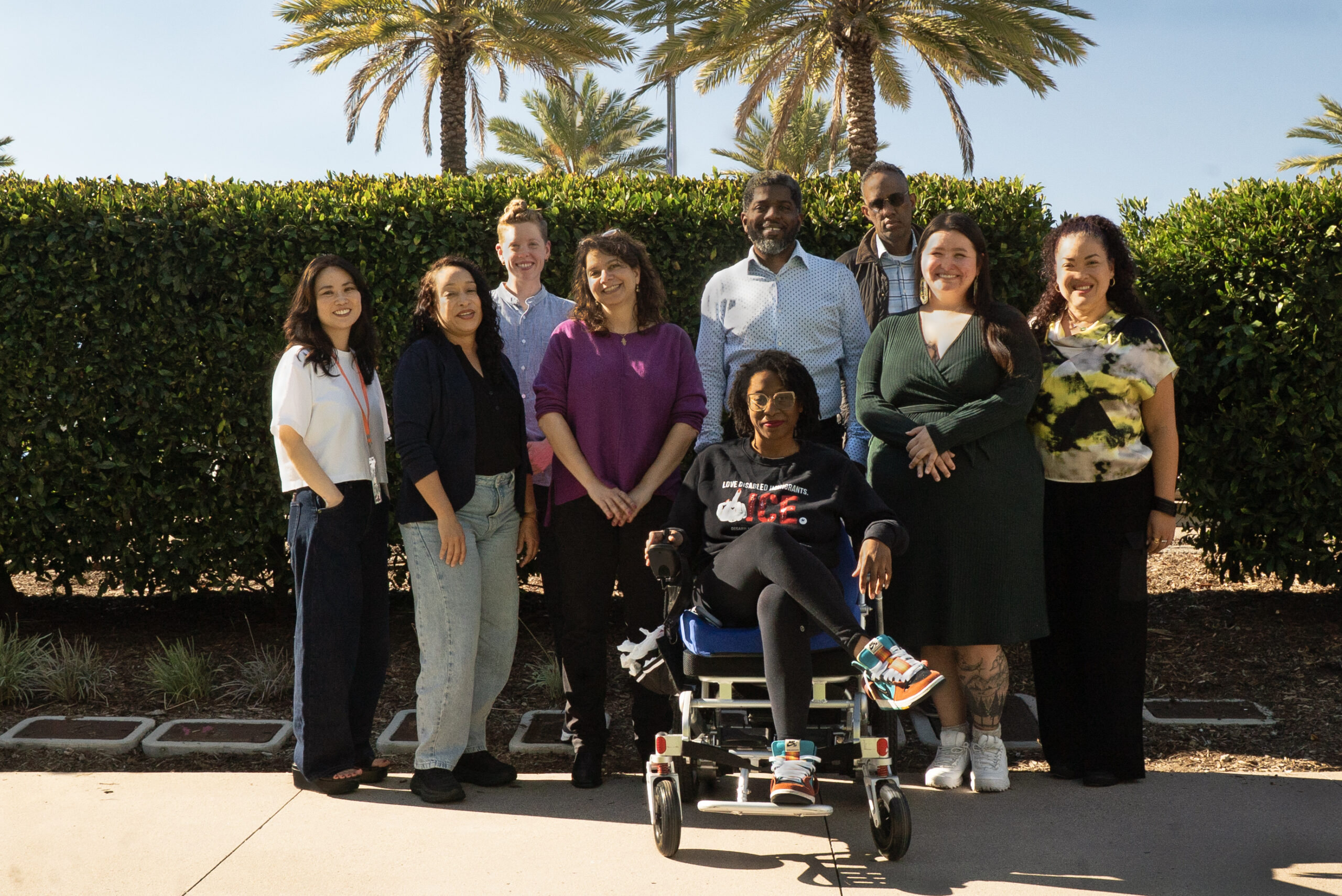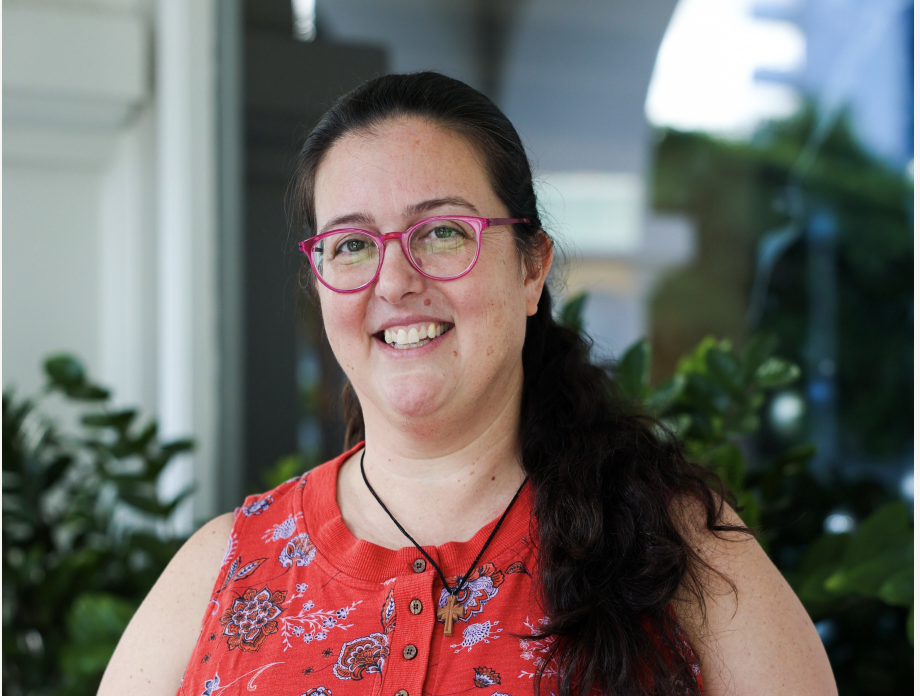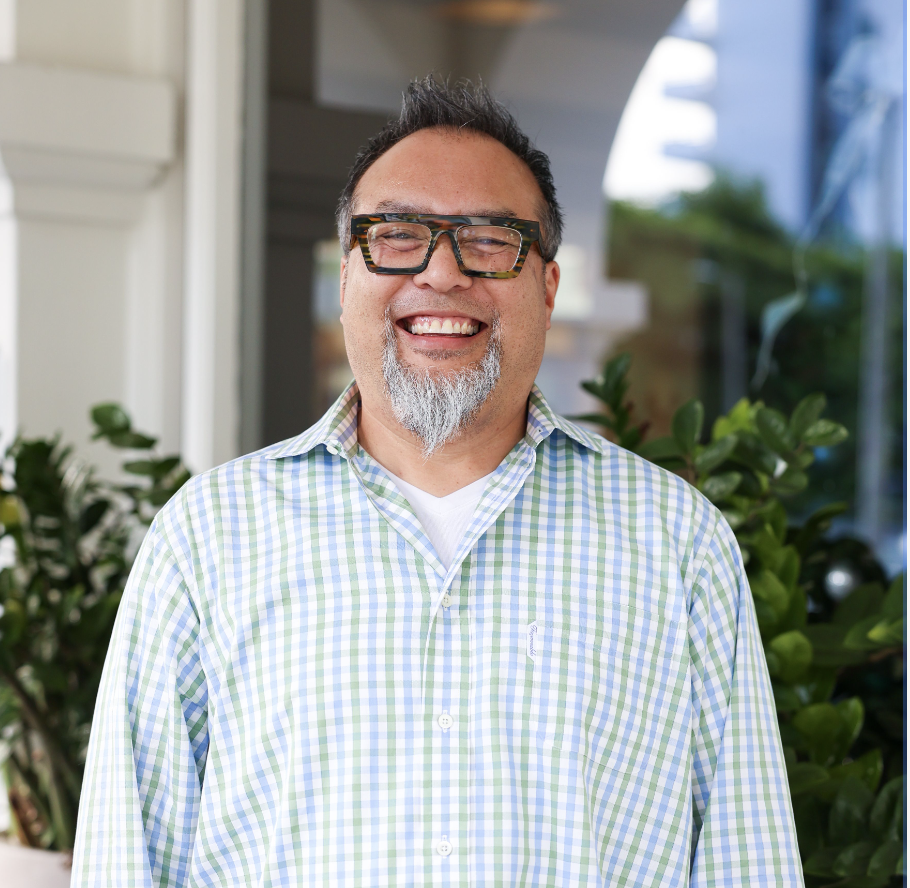

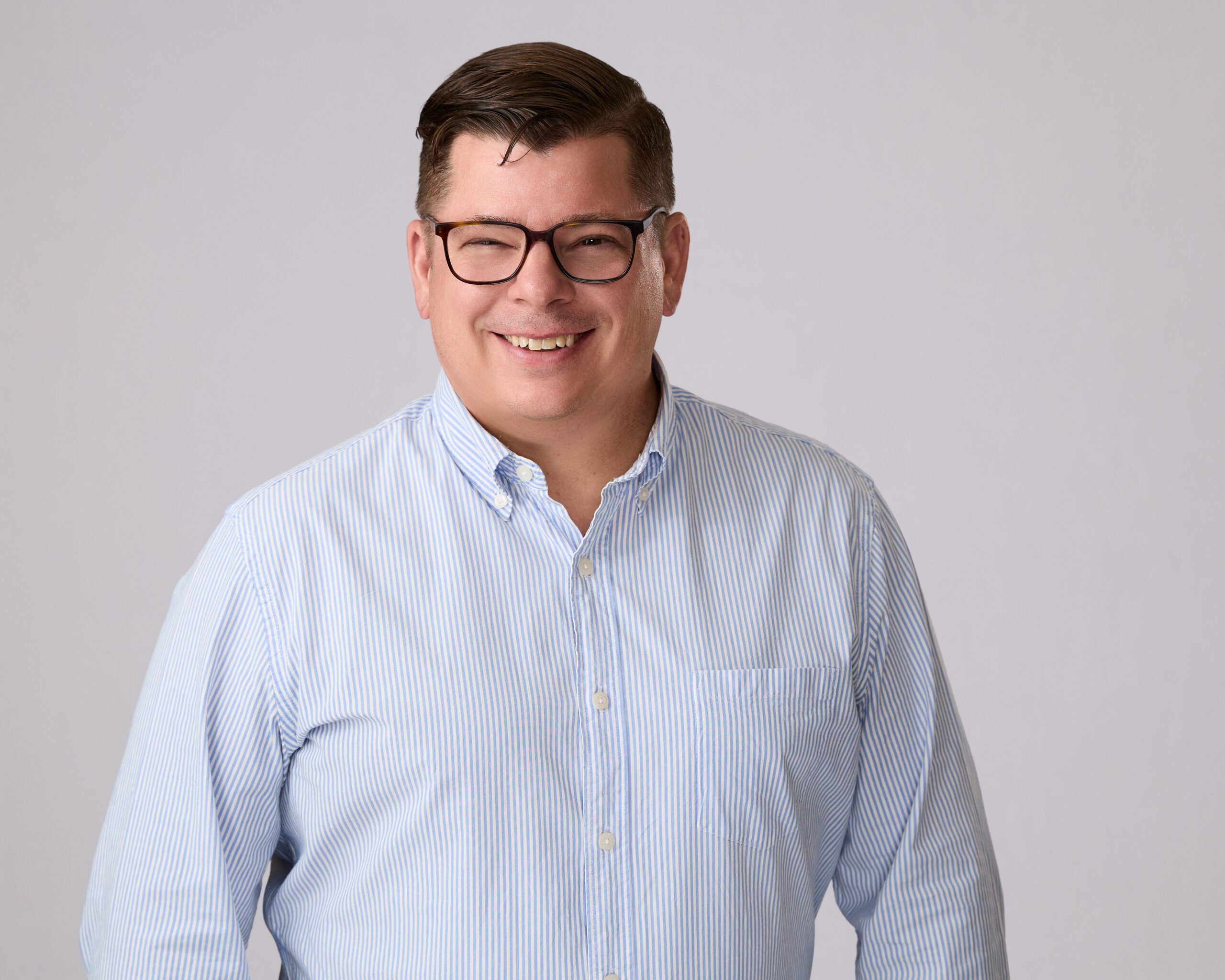
The W.K. Kellogg Foundation is a founding funder of the Solidarity Collaborative. The foundation works to “support community-led efforts to ensure every child and family can thrive” through its focus areas, which include racial healing. Program Officer Andrew Brower shared perspectives on what led the Kellogg Foundation to support the launch of the Solidarity Collaborative and why the collaborative’s work is so important.
Our foundation supports the work of racial healing, both in the way we show up internally as well as how we support communities across the country. Racial healing restores individuals and communities to wholeness and seeks to repair the damage done by racism. It builds trusting relationships needed to identify and advance solutions to the biggest challenges facing children, families, and communities. Racial healing benefits all people because, no matter what we look like or who we are, we’re all human beings worthy of the same amount of respect and dignity.
Building authentic relationships is key because they are capable of transforming communities and institutions while achieving justice and well-being for children. The Solidarity Collaborative creates space and practice for those critical relationships. When we saw the work and the vision Proteus Fund had for this effort, we were excited to learn more and start this partnership.
As a foundation, we want the voice of community to drive our investments while showing us what is essential for healing and transformation. Our listening work affirmed a clear strategy to fund multi-racial collaborations that are committed to cross-racial solidarity, including opportunities to help organizations interact and learn from each other. The structure of the Solidarity Collaborative does just that and works across networks to invest in partners that we may not be able to reach directly, or certainly efficiently.
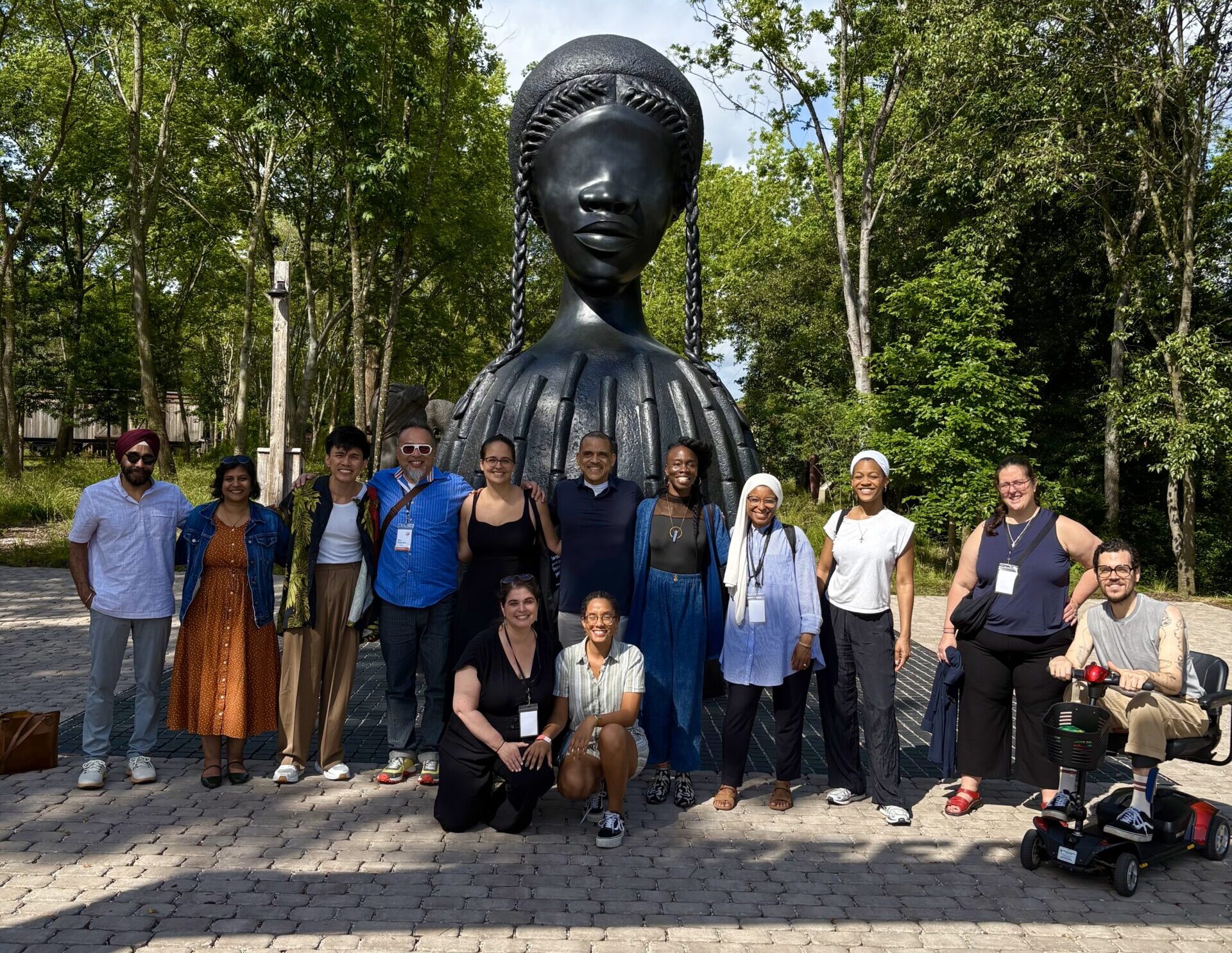
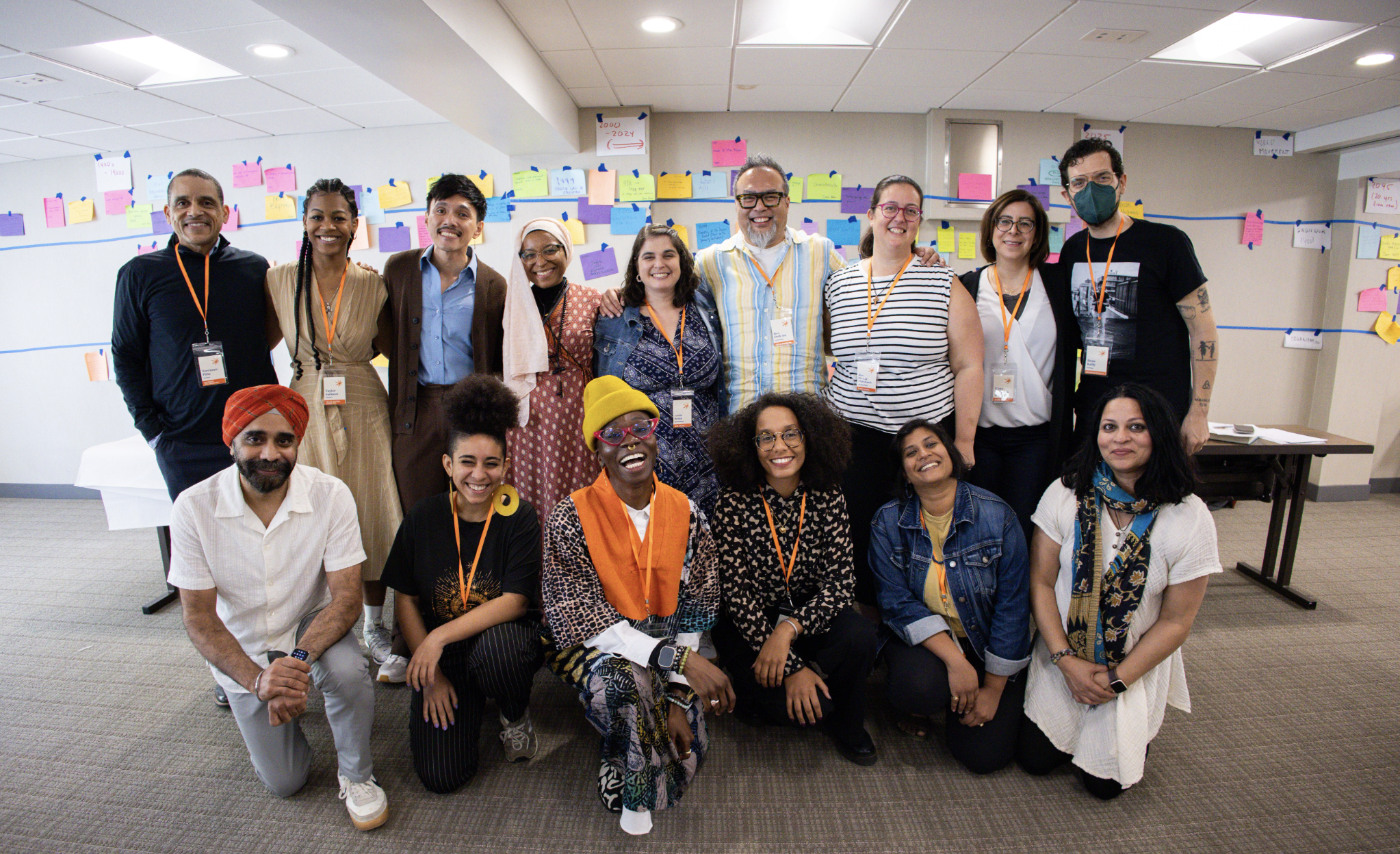
I was so grateful for our time together. The Solidarity Collaborative is investing in several organizations doing the hard work of serving their communities and partners well, against urgent and systemic threats. These organizations are taking extra steps to build trusting relationships, to share what’s working and what is needed. They invest in cross-racial, multifaith solidarity work that is so important. I find these leaders and partners deeply inspiring. I’m incredibly grateful for the time and talent they put into this work.
And, as a funder, we prioritize values-alignment with peer foundations. No single funder can support this work alone. We’re also engaging in the work of trust-building, where we learn from and challenge each other. Our aim is to push ourselves and the field of philanthropy to better serve our grantee partners in this work.
We are a child-centered foundation, so we ask, “How are the children?” We try to understand how we can invest in meaningful approaches to help them thrive. Children live in communities and the systems and structures that impact communities matter. At WKKF, we envision a world that marshals its resources to assure all children have an equitable and promising future – a world in which ALL children thrive. Realizing this vision takes all of us. The work of the Solidarity Collaborative shows us what it looks like when we all work together to build movements that support communities, children, and families.