
Irving Harris Foundation’s support of the Rights, Faith & Democracy Collaborative extends back even further than its inception and initial grantmaking in 2017. The Foundation’s Reproductive Health and Justice investments are guided by its vision of a world where all people have the rights, resources and power to realize reproductive freedom and build the families and future they envision. Program Director for Reproductive Health and Justice Joanna Lauen shares why the Foundation’s commitment to RFDC’s work has lasted more than a decade.
We funded RFDC from the get-go, first joining a 2016 Religious Exemptions meeting held by colleague foundations that brought together LGBTQ equality and reproductive rights funders that ultimately led to the launch of the collaborative fund in 2017. We came to the table because we understood the harms of religious exemptions and agreed that this was a policy strategy that was important to neutralize. However, the real draw was the opportunity responding to this issue presented to come together, break down silos and plant seeds for deeper collaboration and coordination across movements.
When we come together across faith and identities and set an inclusive table that’s justice and equity centered, it’s one of the most powerful things we can do in this work. There are forces at work to tear us apart and strip away rights one identity at a time, while hiding behind the guise of religion and family, and the only answer to this is to come together. If we can’t figure out how to be in relationship and advance an agenda that upholds all of our communities, centers equity and the experiences of those most harmed, then we won’t ever progress.
The learnings we are offered at the RFDC table helps us track emerging needs and trends in the field at a high level as well as understand more of the complexities advocates face in different contexts. Through its briefings and analysis, RFDC lifts for us at the granular level what state and local grant partners are experiencing day to day, what short term challenges must they overcome, etc. But at the same time also helping us as the funders around the table grapple with longer term questions like, how do we as movements stop ceding the moral high ground? What are the fault lines over issues that break coalitions apart? How can we better resource coalitions that last? I don’t think there are a lot of funding spaces designed to dig into data on shorter-term outcomes while also driving collectively for longer-term goals around building durable coalitions. It’s the way that this space holds a balance across those things that to us has been incredibly unique and valuable.
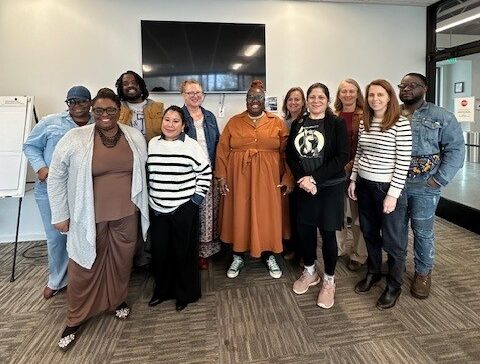
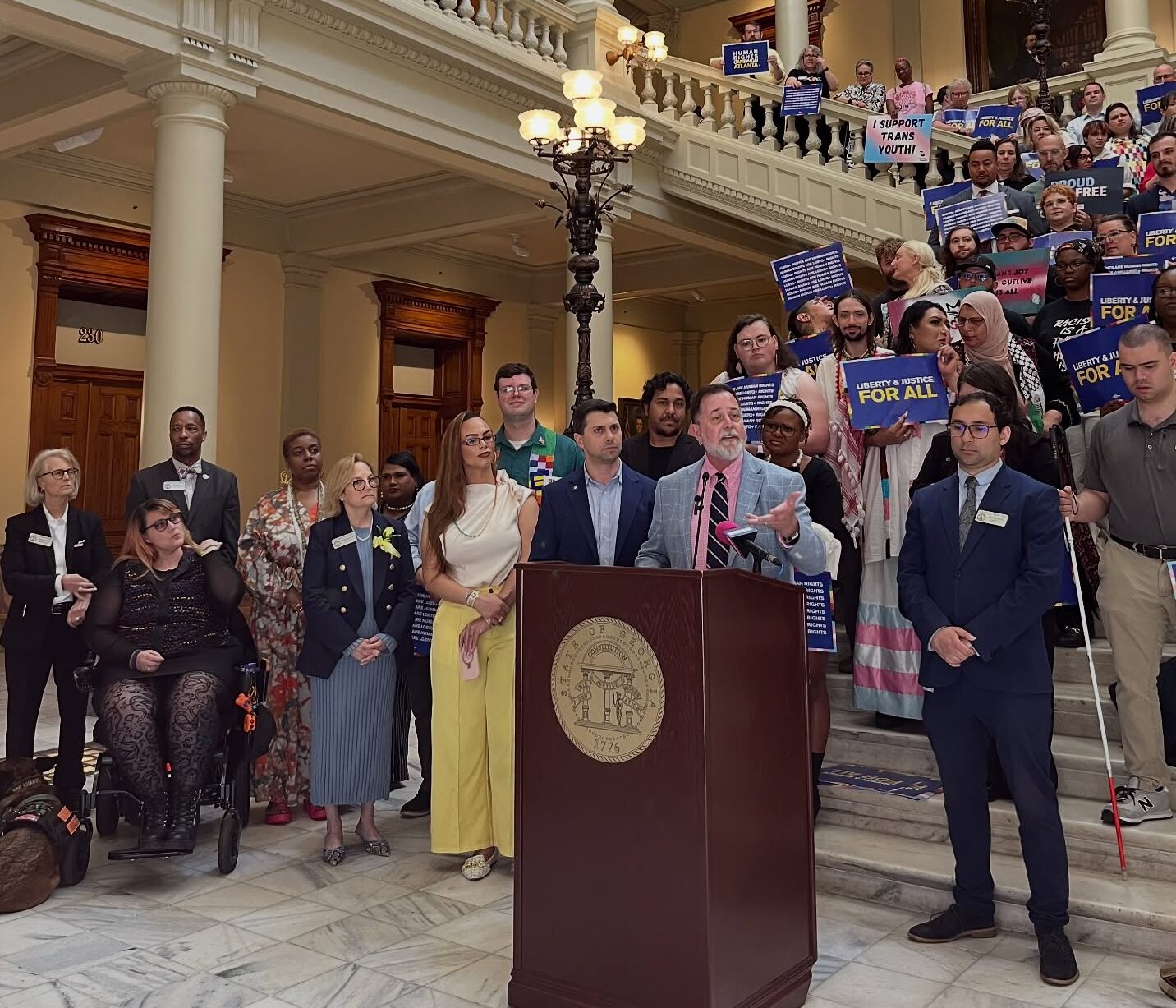
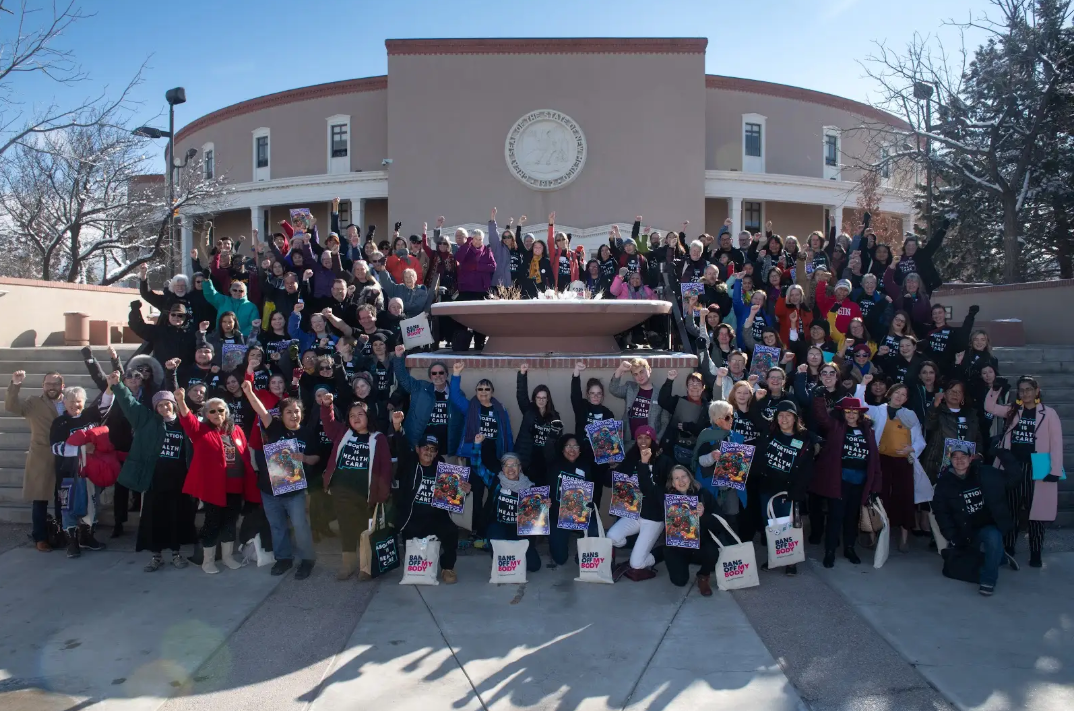
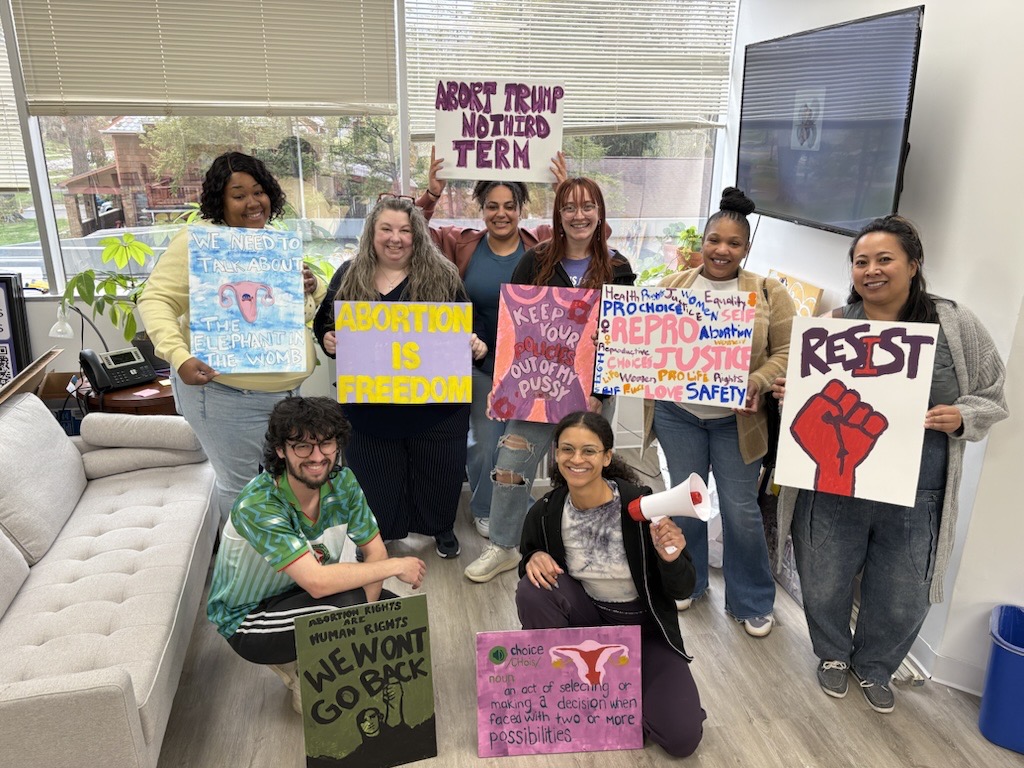
First, the assault on people’s rights and access to reproductive and maternal health care is happening in communities across the country and in a range differing state contexts. We believe solutions need to come from communties experiencing this harm; but as a national foundation, it’s hard to know what’s happening in every community across the country, and what’s truly needed. RFDC has proved to be a meaningful way to move more resources than we otherwise could to the state level in a community informed way.
Second, we recognize that building power for the change we hope to see requires lasting coalition work. Coalition work takes time, effort and perseverance, work that individual leaders and organizations are not often resourced to do. Funding this work alone as a single funder is really challenging as a result. Being part of a larger table where we are pooling funds and feel like we are in it together with colleague foundations has created the conditions to move resources in a way that has supported the formation and now the longevity of coalitions in states over what’s been a remarkably difficult period in our country and for social justice leaders and advocates.