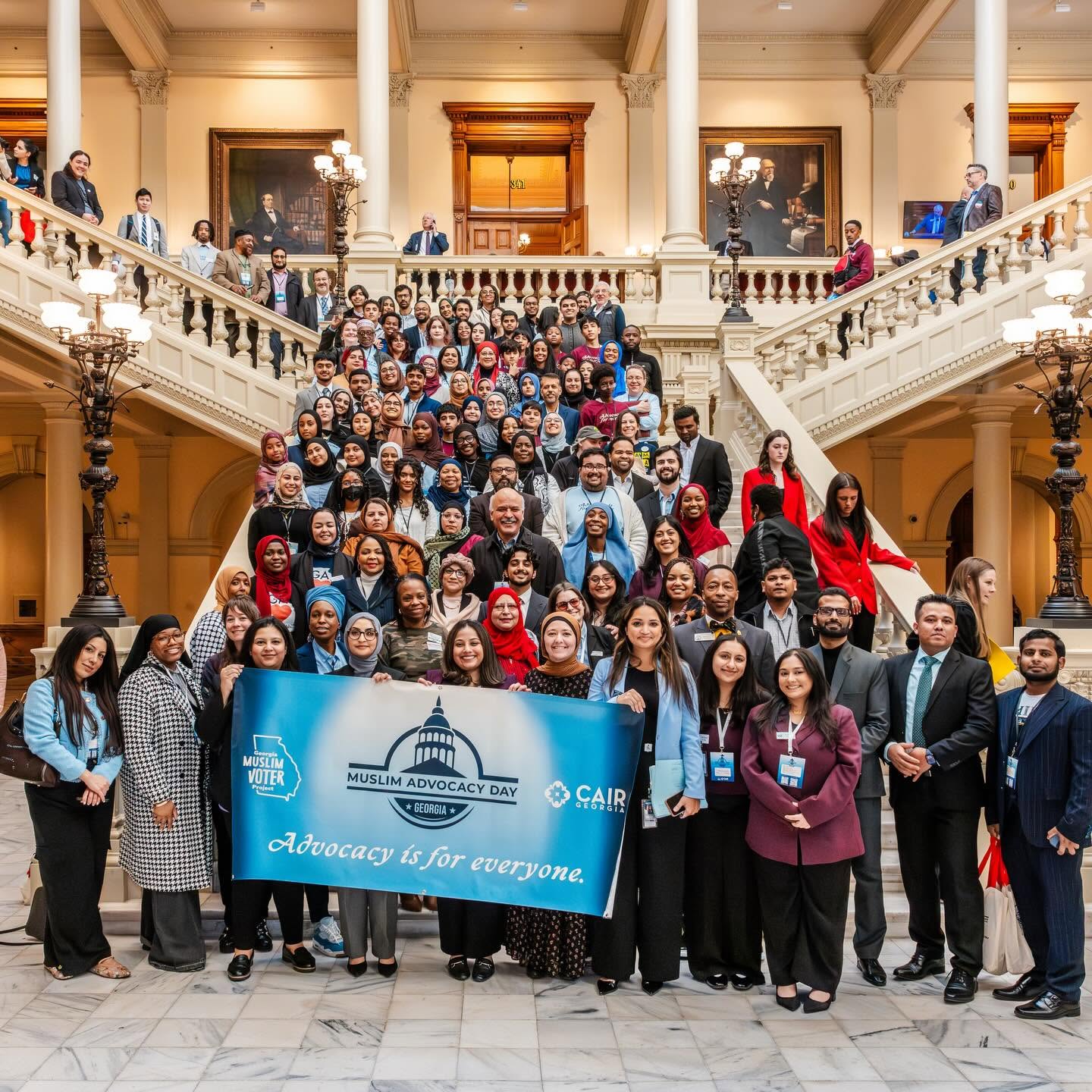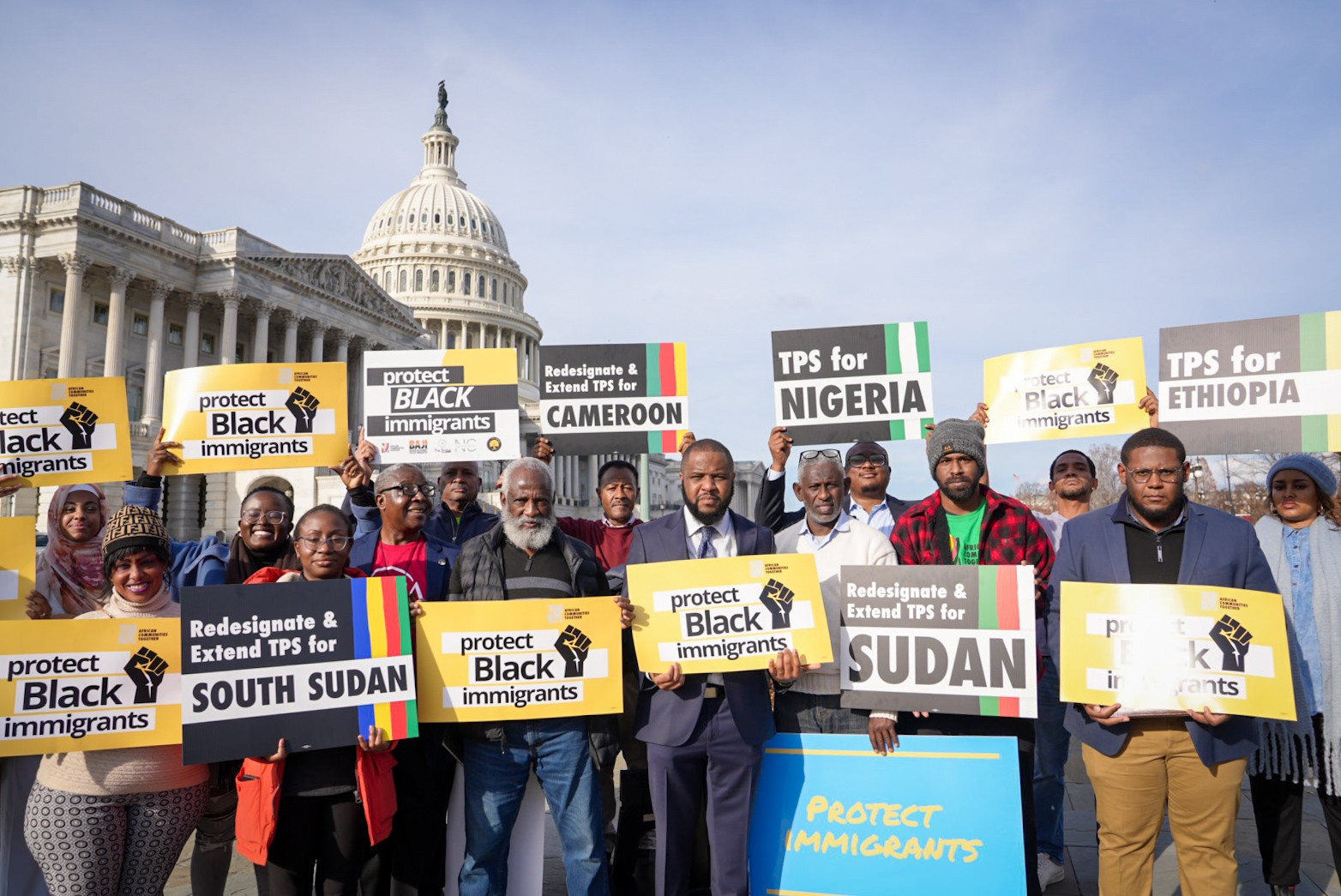

Twenty-five years ago, as the country was still reeling from one of the most devastating attacks on domestic soil, Black, African, Arab, Middle Eastern, Muslim, and South Asian (BAMEMSA) communities were experiencing appalling assaults on their civil rights. Discrimination. Disappearances. State-sanctioned violence.
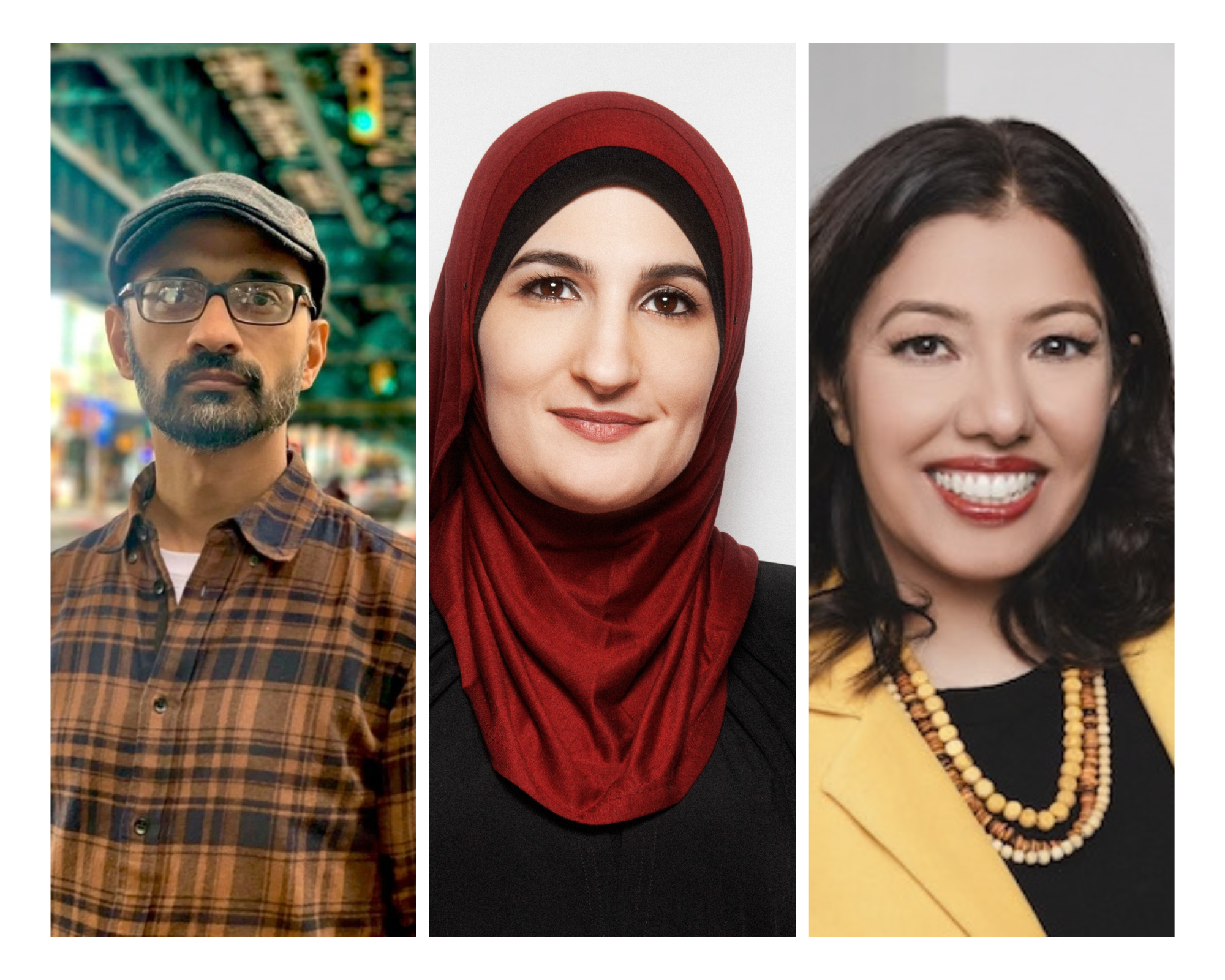
The “Global War on Terror” ushered in a new normal for BAMEMSA communities abroad and in the United States – the echoes of which have now been reignited and expanded to harm other groups. Three leaders whose lives were irrevocably impacted by the post-9/11 era recently shared their reflections on the past, a reckoning with our present, and perspectives on philanthropy’s role, then and now, in protecting democracy.
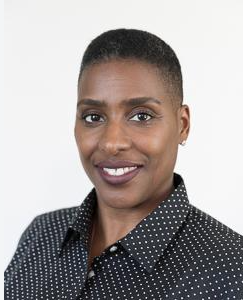
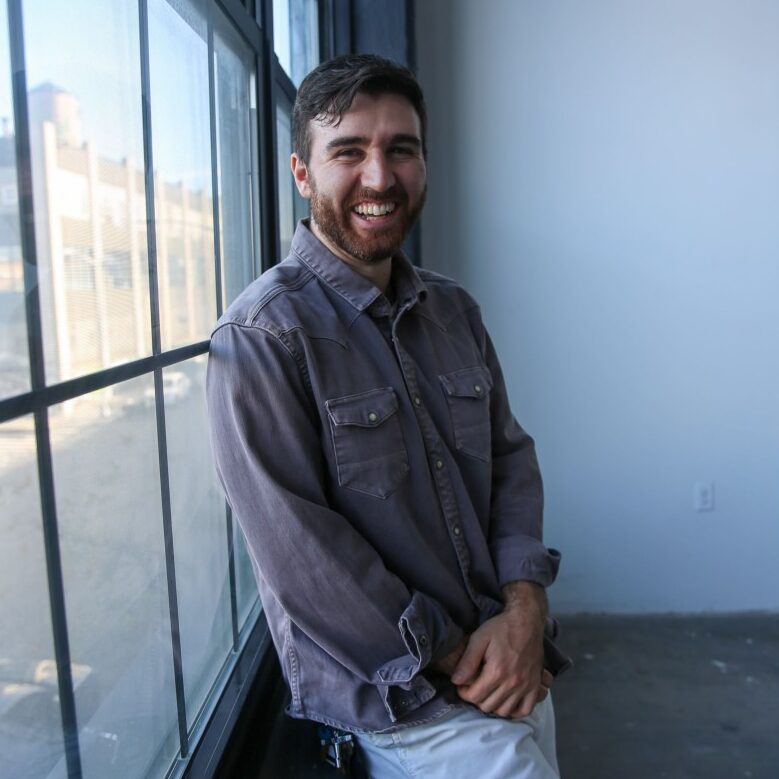
Fahd Ahmed, the executive director of DRUM (Desis Rising Up & Moving), had just become a U.S. citizen the summer before 9/11. He vividly remembers being back in Pakistan on that tragic day, visiting his family – which he had not been able to do for many years as undocumented immigrant.
After returning to the United States, Fahd immediately joined his colleagues from DRUM, where he was already co-leading a prison detainee project, in going into neighborhoods to find out what communities were experiencing. They began documenting hate crimes and state violence. They learned of mass disappearances – people being grabbed from mosques, homes, workplaces, and on the street during law enforcement raids. Ultimately, it led them to three county jails in New Jersey and a detention center in New York, where over the next 18 months, they visited about 400 people being held there.
Fahd reflects on that terrible period – the horrors endured and the fears felt – and why it’s so relevant in this current moment.
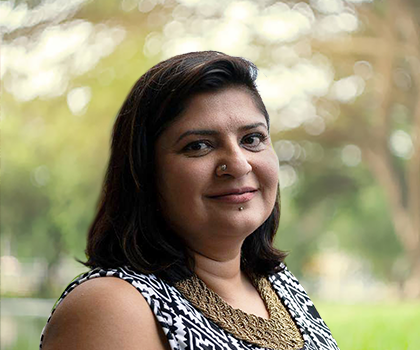
Linda Sarsour didn’t set out to become a civil rights activist. As a young Arab American Muslim in New York, her plans to be a teacher changed after 9/11. What she witnessed in the days and months after that day and her deep desire to do something to help her community and others under attack put her on a new path, one which led her to become an author, organizer, and voice for change.
Linda shares her experiences 25 years ago and her perspective now that some of the same types of assaults have reemerged and expanded.
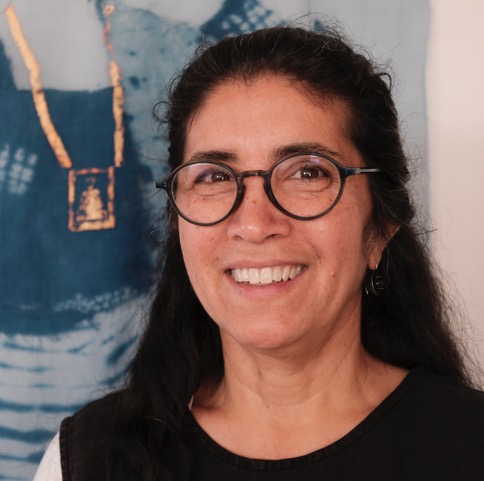
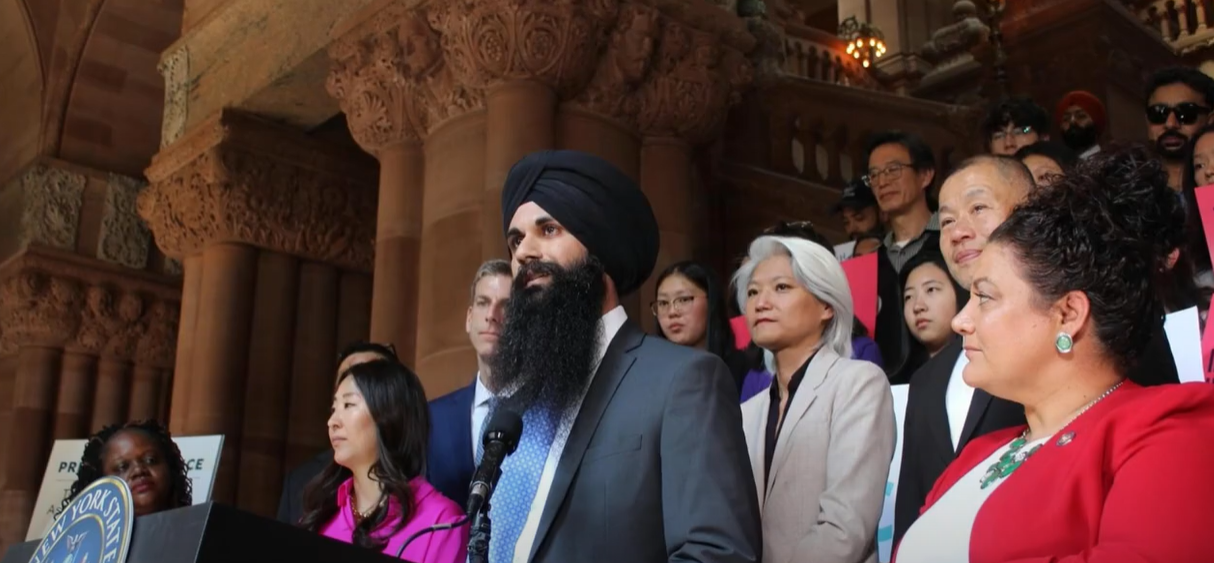
Seven years before she became the founding director of what is now RISE Together Fund (RTF), Dimple Abichandani was a law student returning from a world conference on racism in South Africa, which she’d attended to learn about social movements around the world. A day later, 9/11 happened and what she describes as a “parallel reality” began. The undercurrents of discrimination that existed before that day became a sustained rollback of civil rights and liberty – all in the name fighting a “War on Terror.”
Last month, on the 25th anniversary of that day, Dimple penned a powerful piece in the Chronicle of Philanthropy that reflects on philanthropy’s slowness to respond in the post-9/11 era and takeaways for the field in this current threat environment.
Her book, A New Era of Philanthropy: Ten Practices to Transform Wealth Into a More Just and Sustainable Future, invites funders to see this moment of crisis as an opportunity to rewrite their collective purpose and build practices that support it.
Hear Dimple’s reflections and the lesson we can’t afford to forget.