Across the country, communities are grappling with rising costs, economic uncertainty, and growing questions about whether government can deliver for ordinary people. Too often, a small number of wealthy interests shape the decisions that affect our lives, making it harder to build an economy and democracy that works for everyone. Increasingly, Americans are recognizing this imbalance. Recent polling found that 53% of Americans believe billionaires threaten American democracy, while Pew Research continues to find that the role of money in politics ranks the public’s top concerns, with nearly three quarters of Americans saying it is a very big problem facing the country. This reflects growing concern concentrated wealth is distorting our political system and must be addressed.
This moment demands more than any single campaign or organization can provide. It requires stronger connections across the field by bringing together organizers, policy advocates, researchers, communicators, and funders to learn from one another, coordinate strategies, and seize opportunities as they emerge.
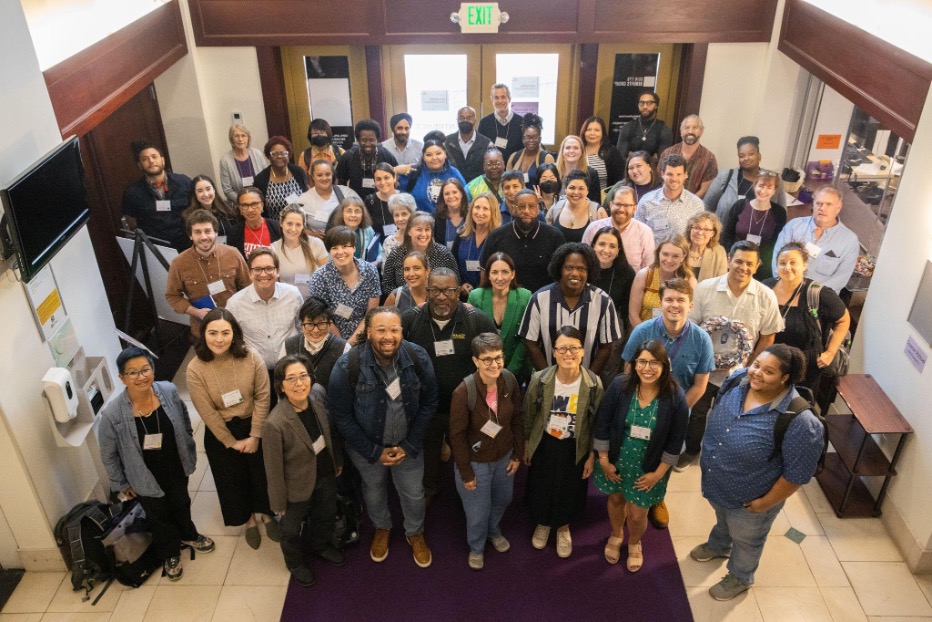
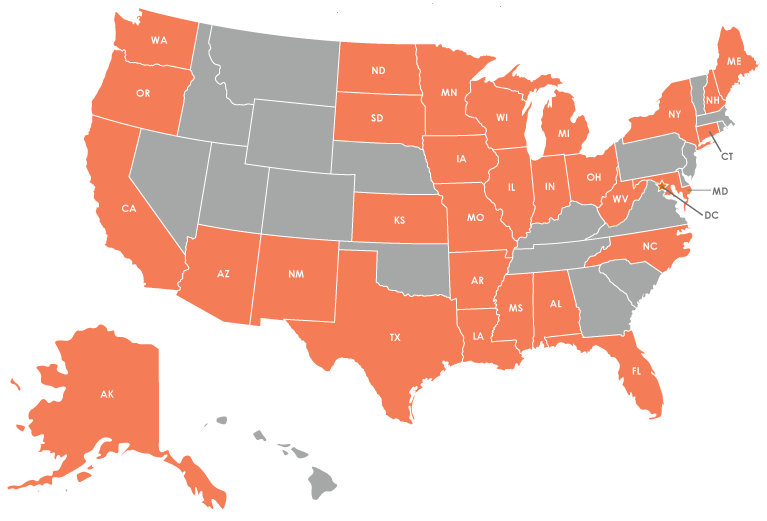
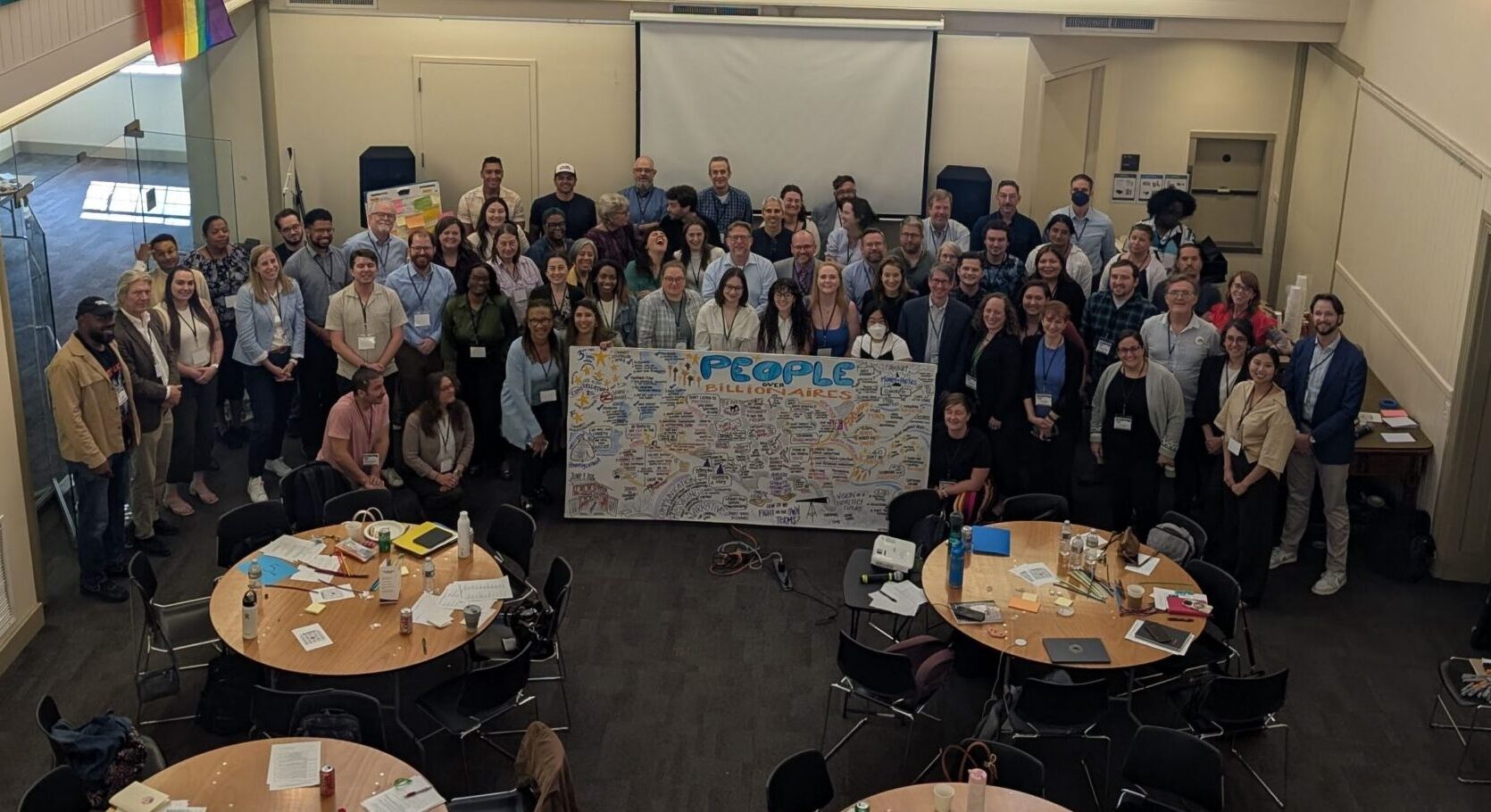
That is why Piper Fund convened nearly 80 leaders from 25 states in Philadelphia this June for People Over Billionaires: Building Power That Wins. The gathering reflected our growing commitment to strengthening not only individual organizations, but also the broader movement working to curb the influence of big money and build a more responsive democracy.
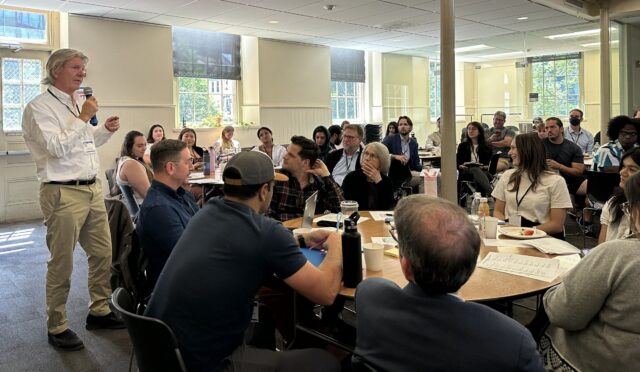
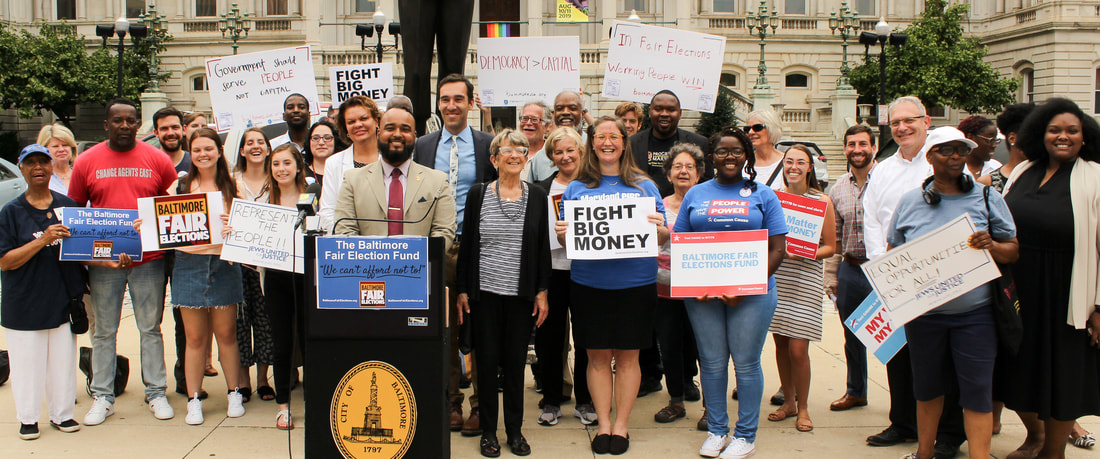
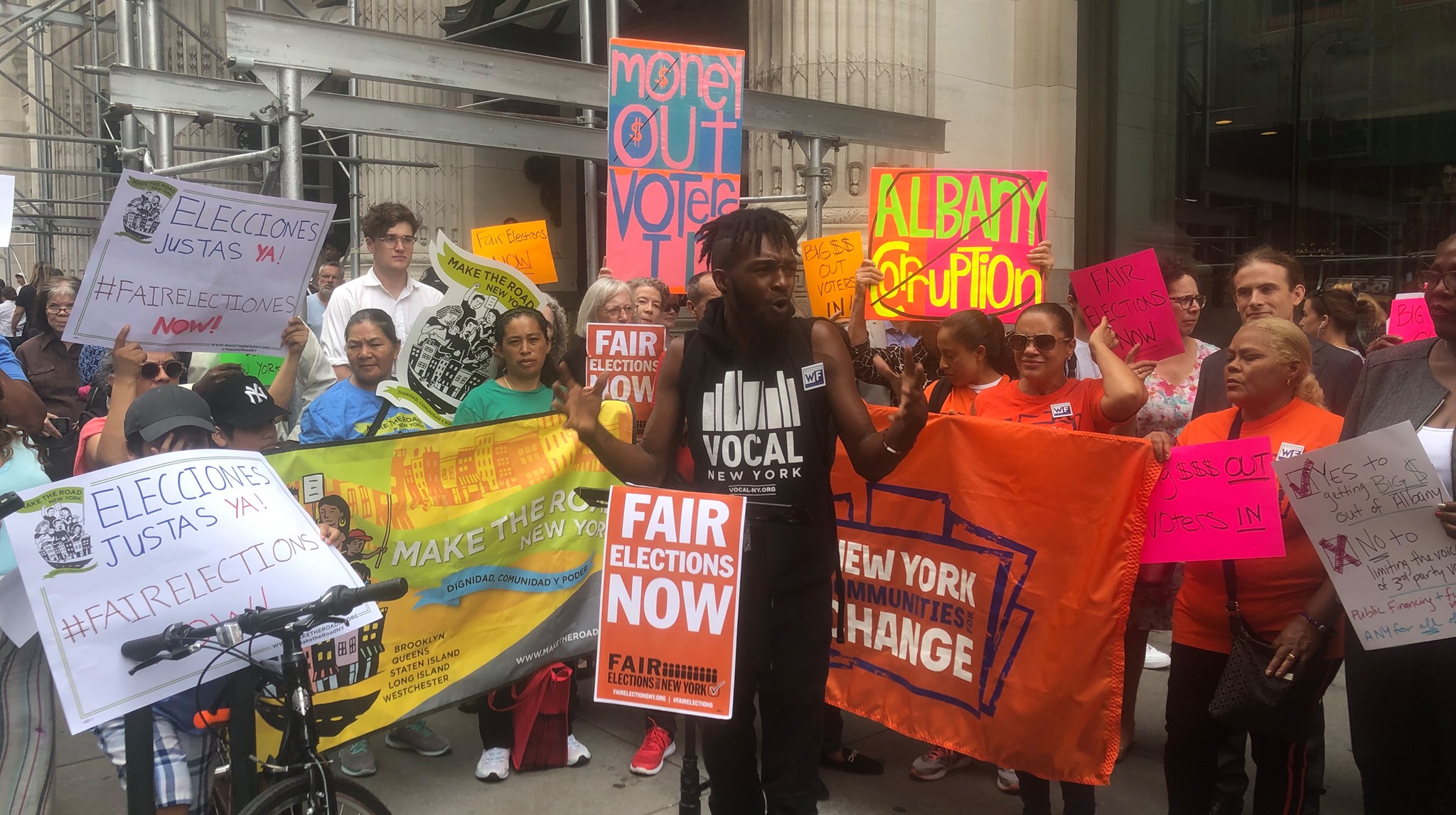
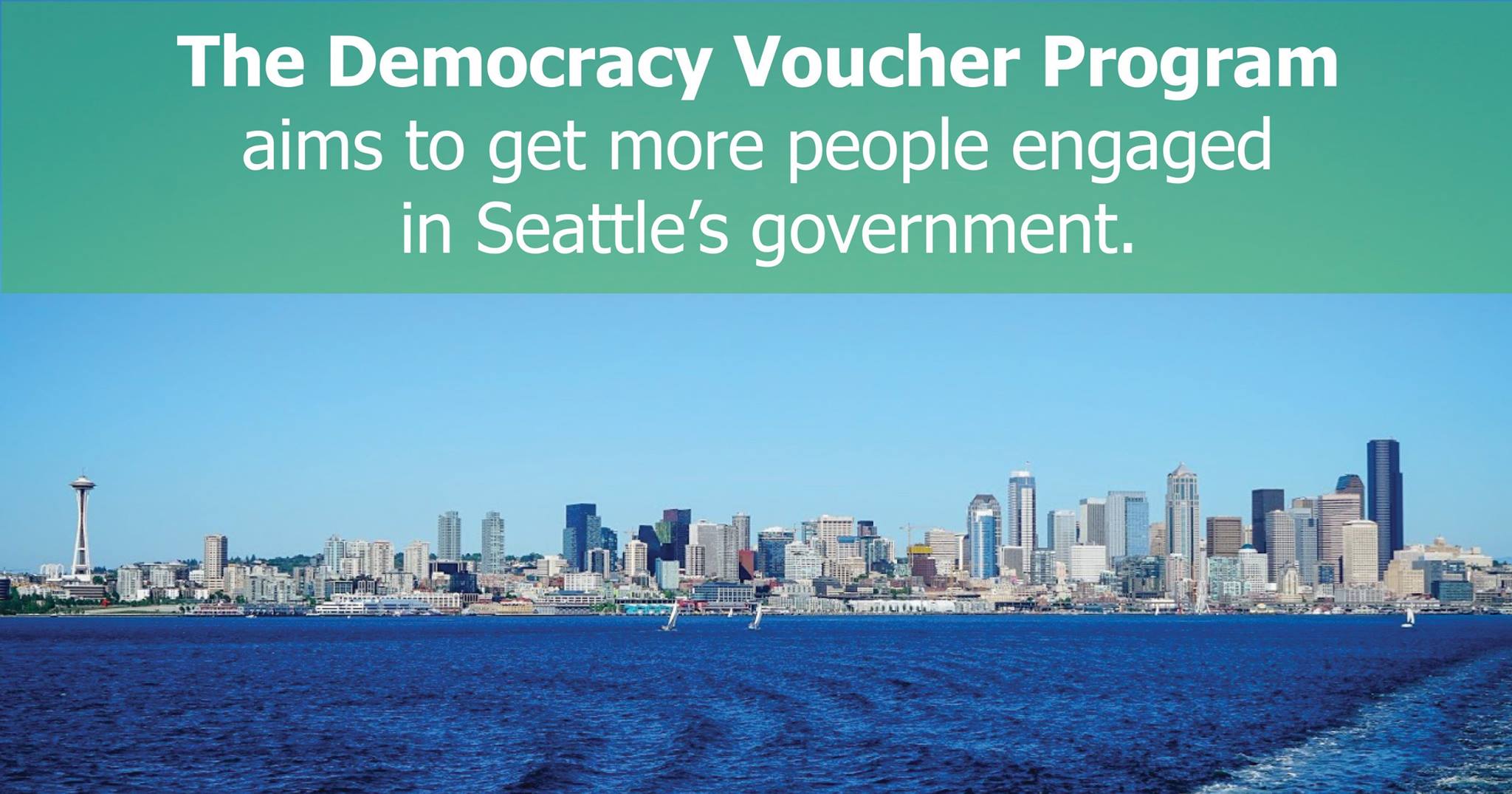
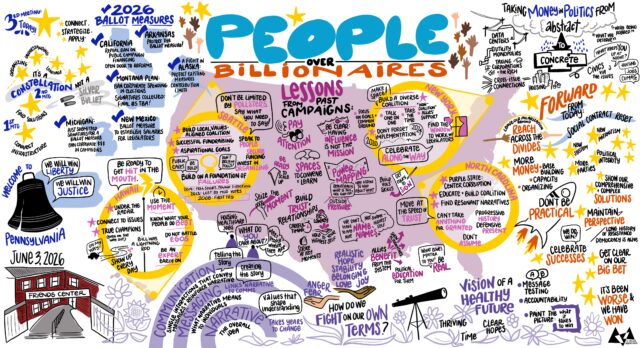
Throughout the day, participants shared candid lessons from campaigns across the country, from Seattle’s Democracy Voucher program to legislative victories in Hawaiʻi, ballot initiatives in Michigan, California, and Montana, coalition building in North Carolina, popular education efforts exposing the toxic influence of billionaires in Pennsylvania’s local politics, and organizing campaigns connecting money in politics to housing, utility costs, and corporate accountability.
While every state faced different political realities, several themes emerged again and again.
The challenge before us is to meet this moment. The urgency of this moment is clear. The influence of concentrated wealth on our democracy is growing, but so is the opportunity to build a broader movement capable of responding with public support at an all-time high. By investing in organizations, relationships, and shared strategies, we can help turn today’s frustration into lasting democratic change.
The challenges facing our democracy are evolving, and so must the movement working to meet them. The Philadelphia convening was not an endpoint; it was the next step in Piper Fund’s long-term commitment to strengthening the money in politics field.
We will continue investing in relationships, learning, and collaboration that help organizations achieve more together, by:
That means investing both in the infrastructure that equips leaders with the tools they need to succeed and in the state-based strategies that translate those investments into meaningful reforms. We hope you’ll continue the conversation with us through our upcoming webinar series:

Explore how investments in narrative, research, convening, and ecosystem mapping strengthen the money in politics movement by equipping state and local leaders with the relationships, knowledge, and coordination needed to seize opportunities and build lasting power.
Learn how organizations across the country are advancing money in politics reforms in their states, building durable coalitions, and responding to emerging opportunities to reduce the influence of big money in politics. The conversation will explore lessons from diverse state strategies and what it takes to move reform forward in different political environments.