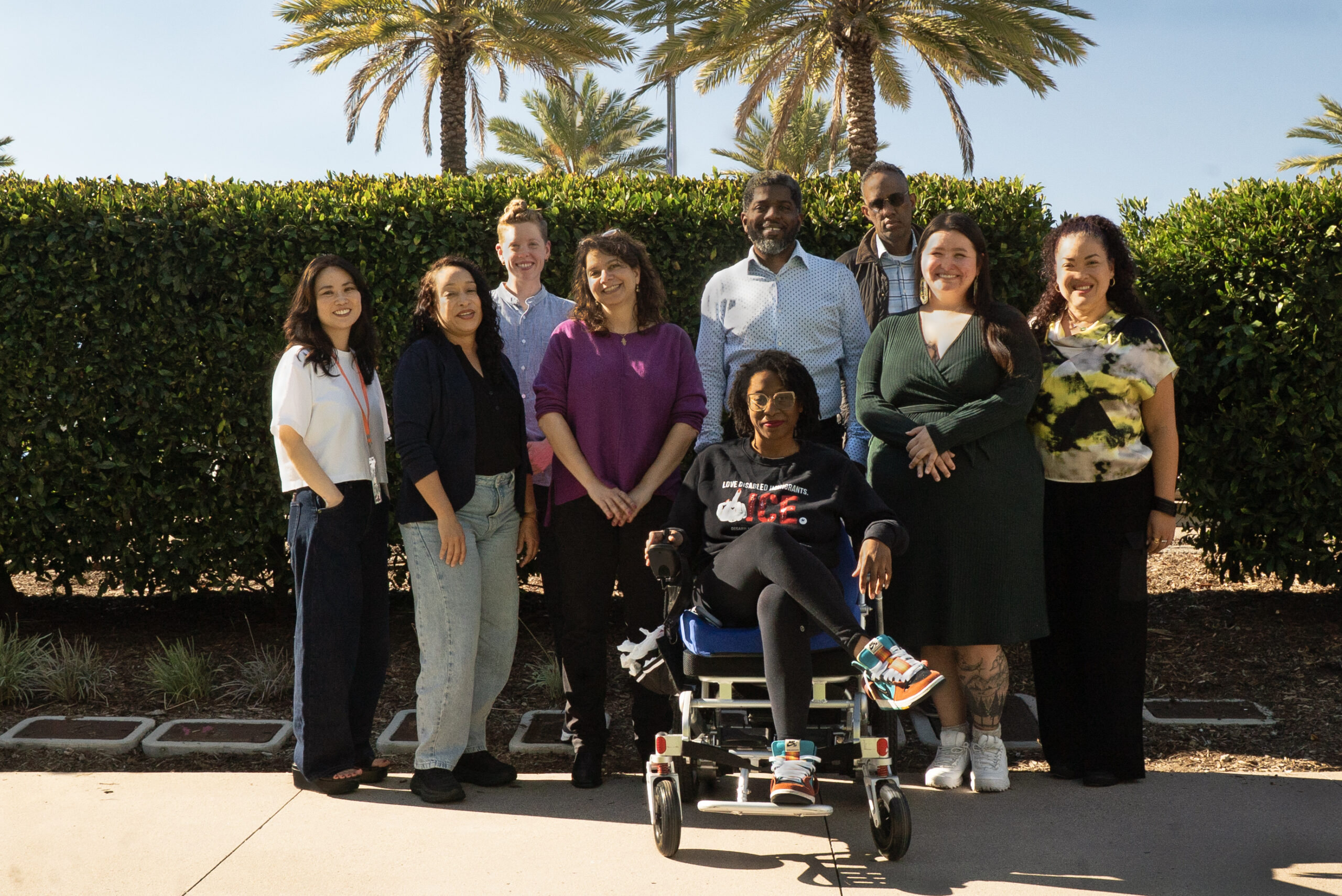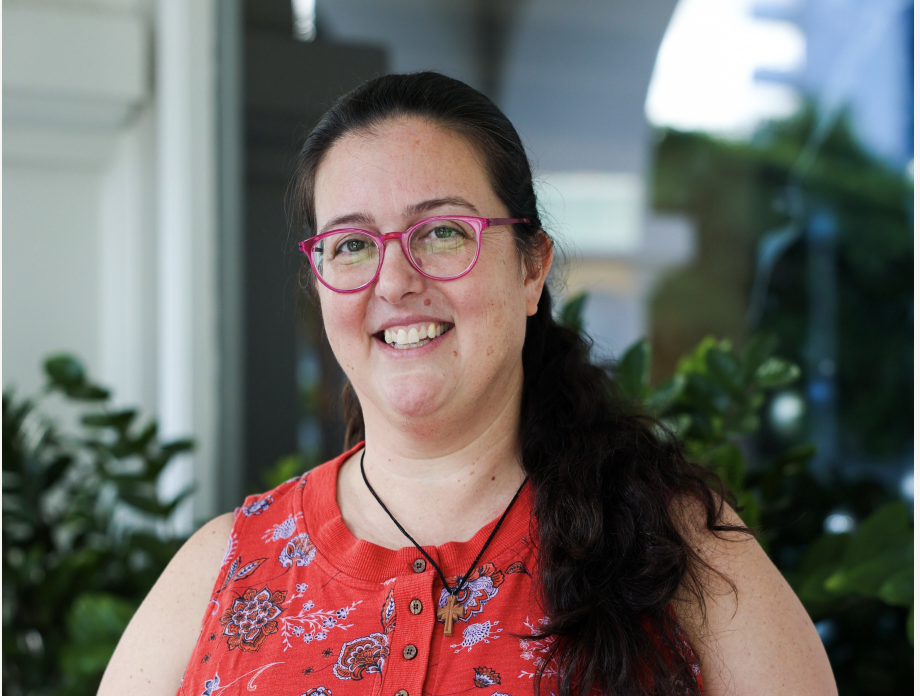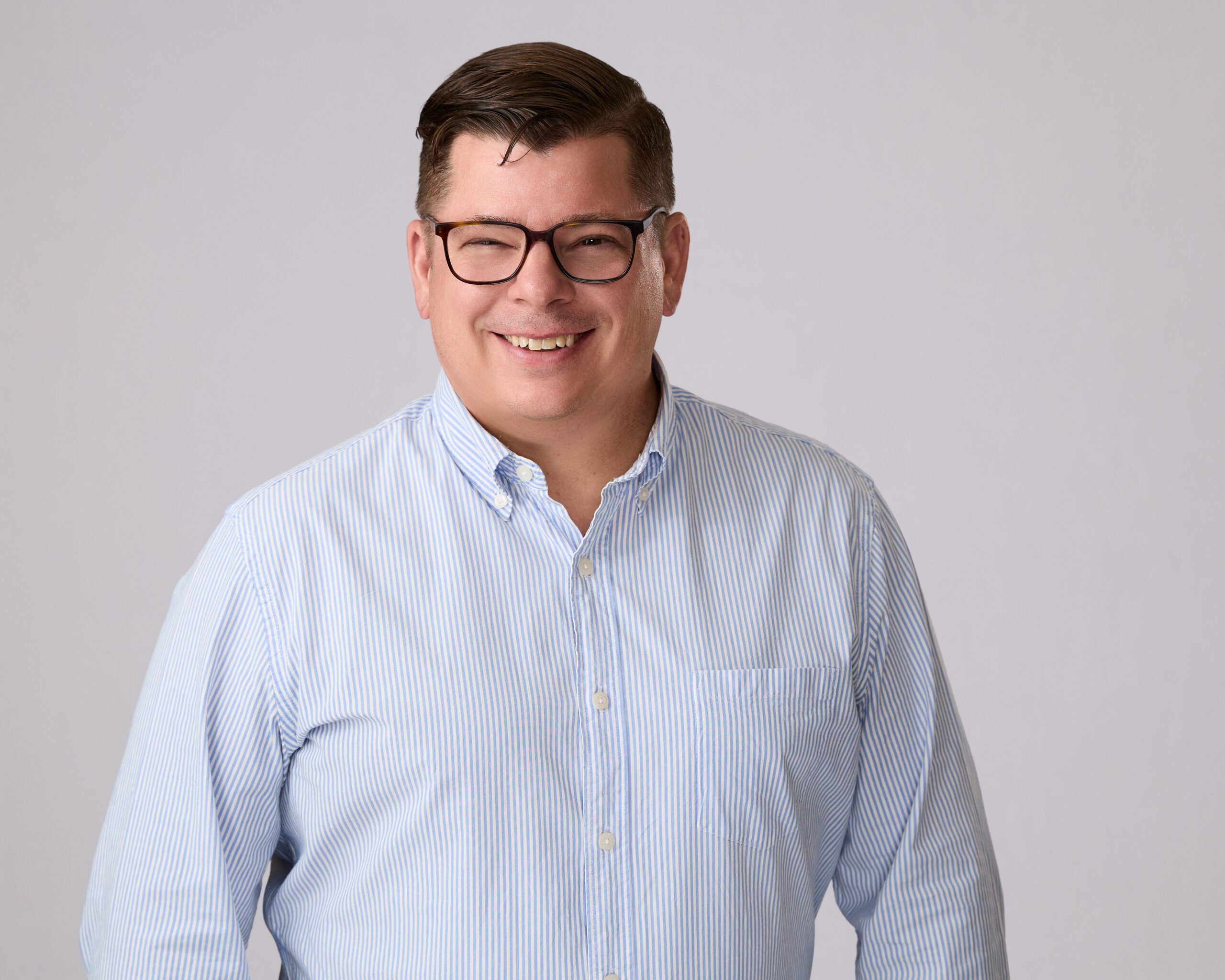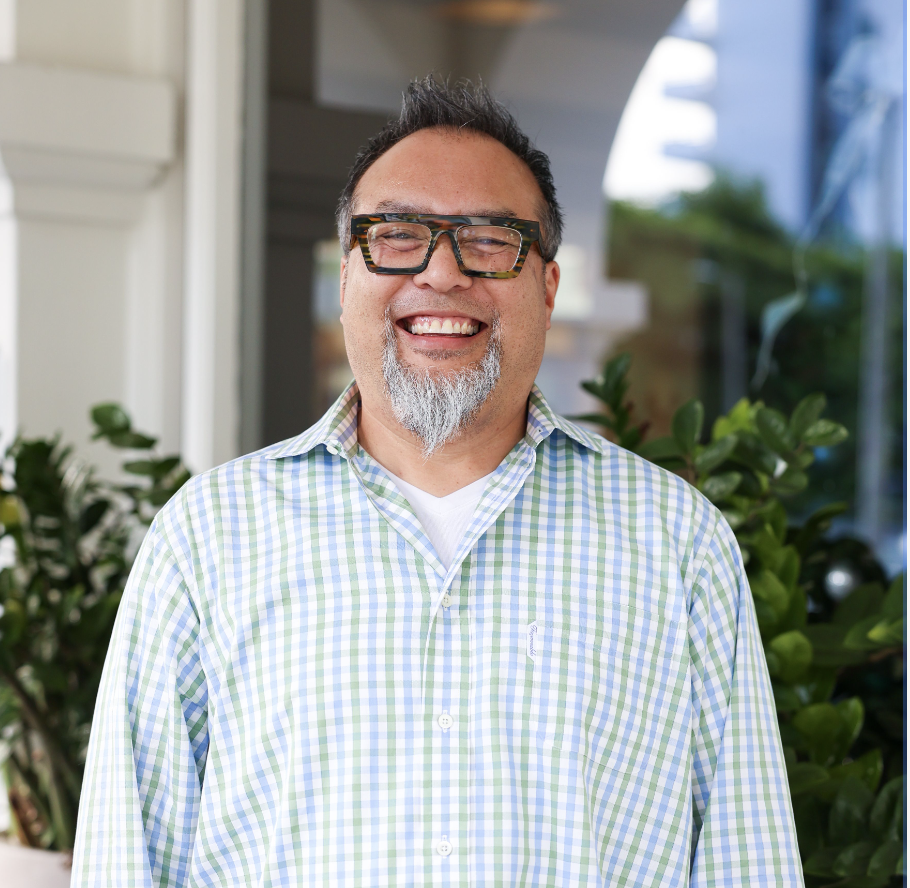
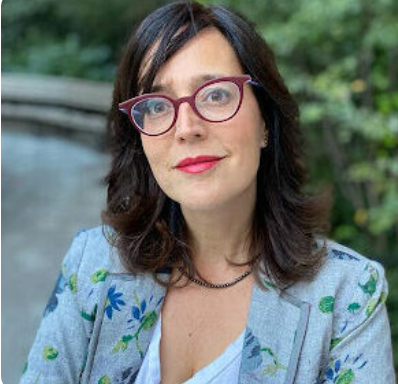
Rachele Tardi, senior program officer at the Robert Wood Johnson Foundation (RWJF), focuses on supporting leadership to advance health and racial equity. Tardi shared her perspective on why RWJF, a founding funder of the Solidarity Collaborative, has supported its efforts since the beginning.
The Collaborative cultivates the kind of collective leadership and long-term relationships that are essential not only for confronting structural oppression, but also for enabling leaders deeply rooted in their communities to reimagine—and transform—the systems that harm them. Investing in this effort advances my team’s (Leadership for Better Health) commitment to fostering relational, accountable, and transformative leadership. It also offers funders a meaningful opportunity to practice solidarity alongside movement partners while strengthening our own relationships with one another. In a moment marked by polarization and backlash, supporting the Solidarity Collaborative is both a strategic and values aligned way to reinforce the connective tissue our movements—and our sector—urgently need.
Many of the systems producing inequities are deeply interconnected and cannot be meaningfully challenged through siloed or short-term efforts. The Collaborative addresses the need for long-term, cross-movement collaboration grounded in shared values rather than transactional alignment or narrow policy goals. By supporting leaders to practice solidarity as a sustained and values-driven approach, the Collaborative helps build trust and resilience across communities.
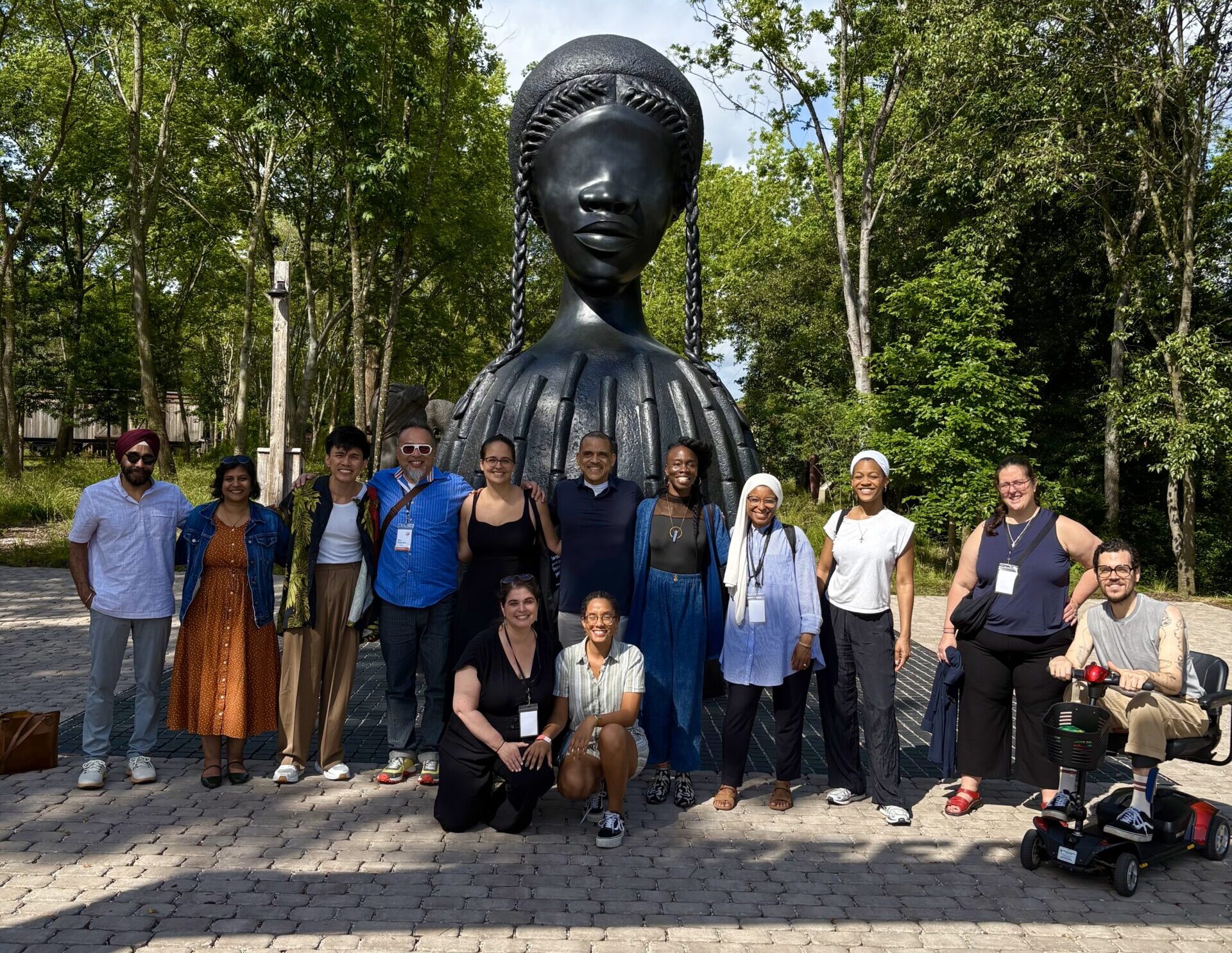
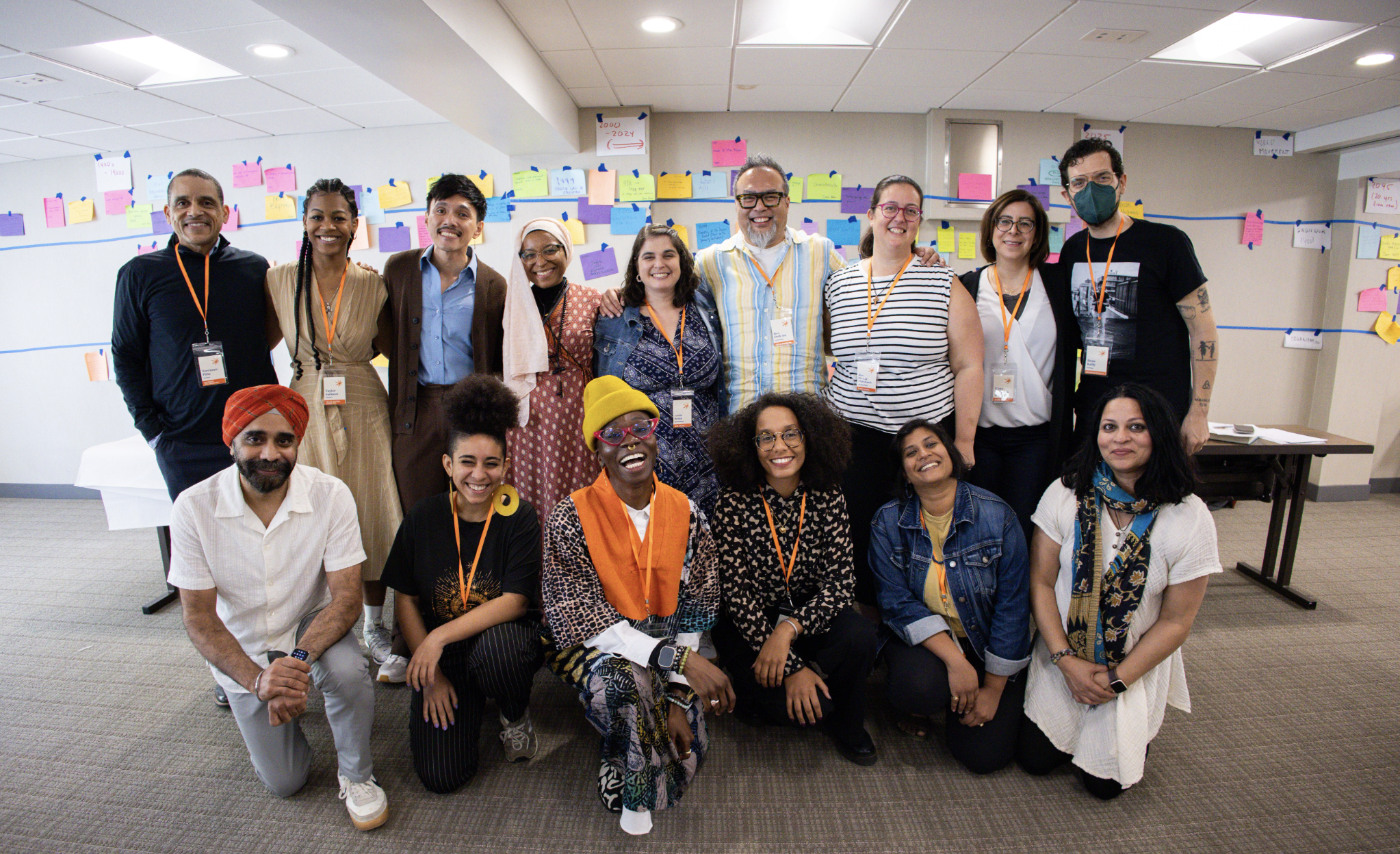
In The Art of Gathering, Priya Parker talks about the power of convenings to create a “temporary alternative world.” That’s what the Solidarity Collaborative convenings have been for me. The gatherings help create the conditions for imagining and experiencing together with other funders and movement leaders what solidarity can look like in practice. The Radical Optimist Collective that facilitated the 2025 San Diego convening and donor meeting did this creating a space where participants could gather to learn, share, and grow together – deepening connections and cultivating a powerful community grounded in the principles of solidarity. Equally powerful was the space facilitated the previous year in Puerto Rico by Adaku Utah of Building Movement Project in Puerto Rico. The convenings are not just a moment in time, they are a journey that starts before the event and continues through meetings and touch points for the funders and the cohort members.
The central question my team is grappling with is: “what’s the leadership needed to address structural racism?” By resourcing frontline leaders to build cross-movement solidarity, the Collaborative helps create the relational infrastructure required for sustained systems change—an essential condition for improving health and wellbeing.