
By Neetha Tangirala, Protect Dissent Network Manager, and Monica Kim, Piper Fund Senior Program Associate
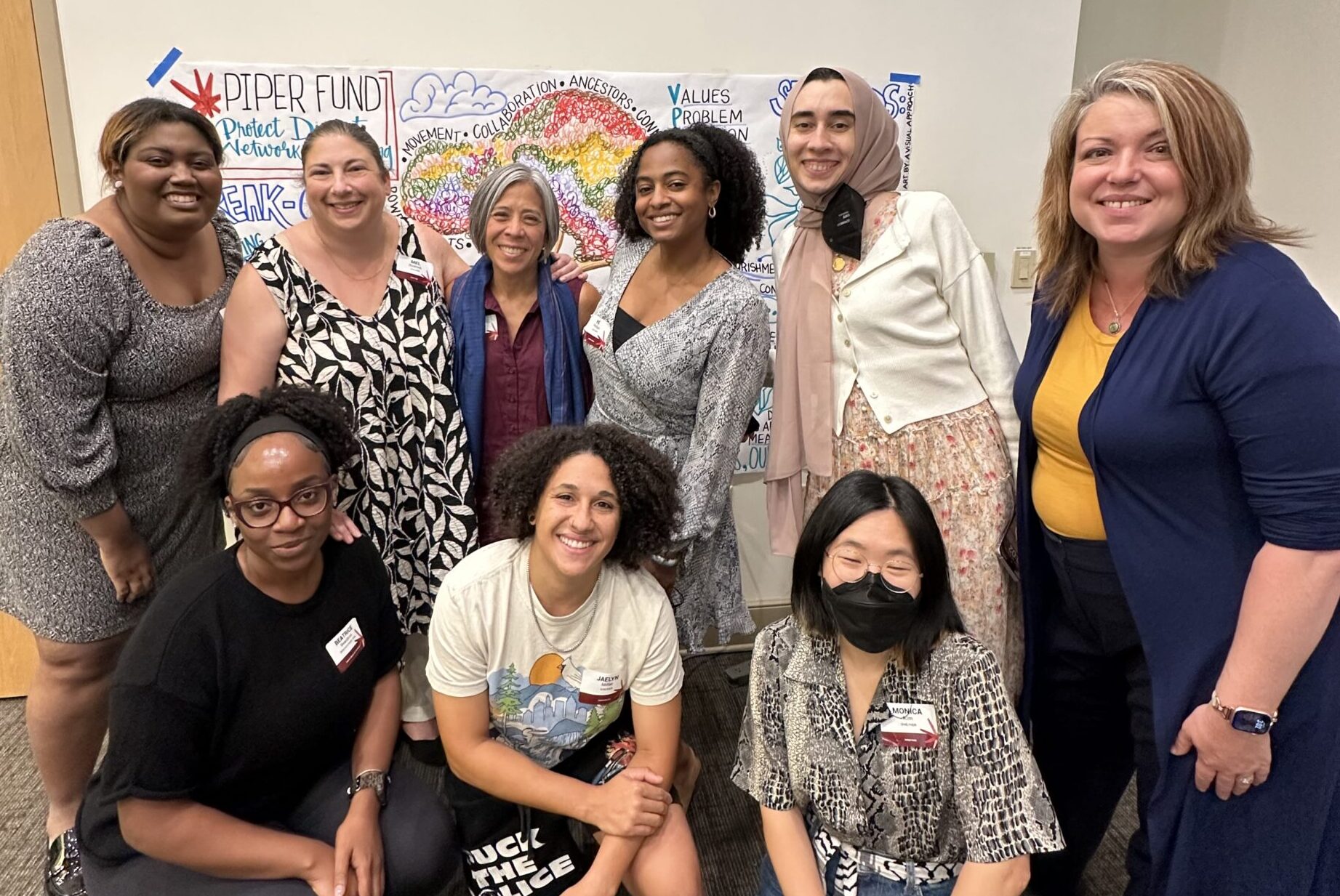
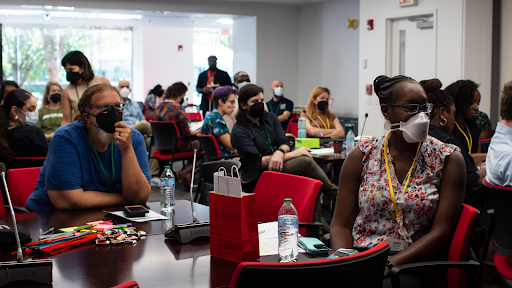
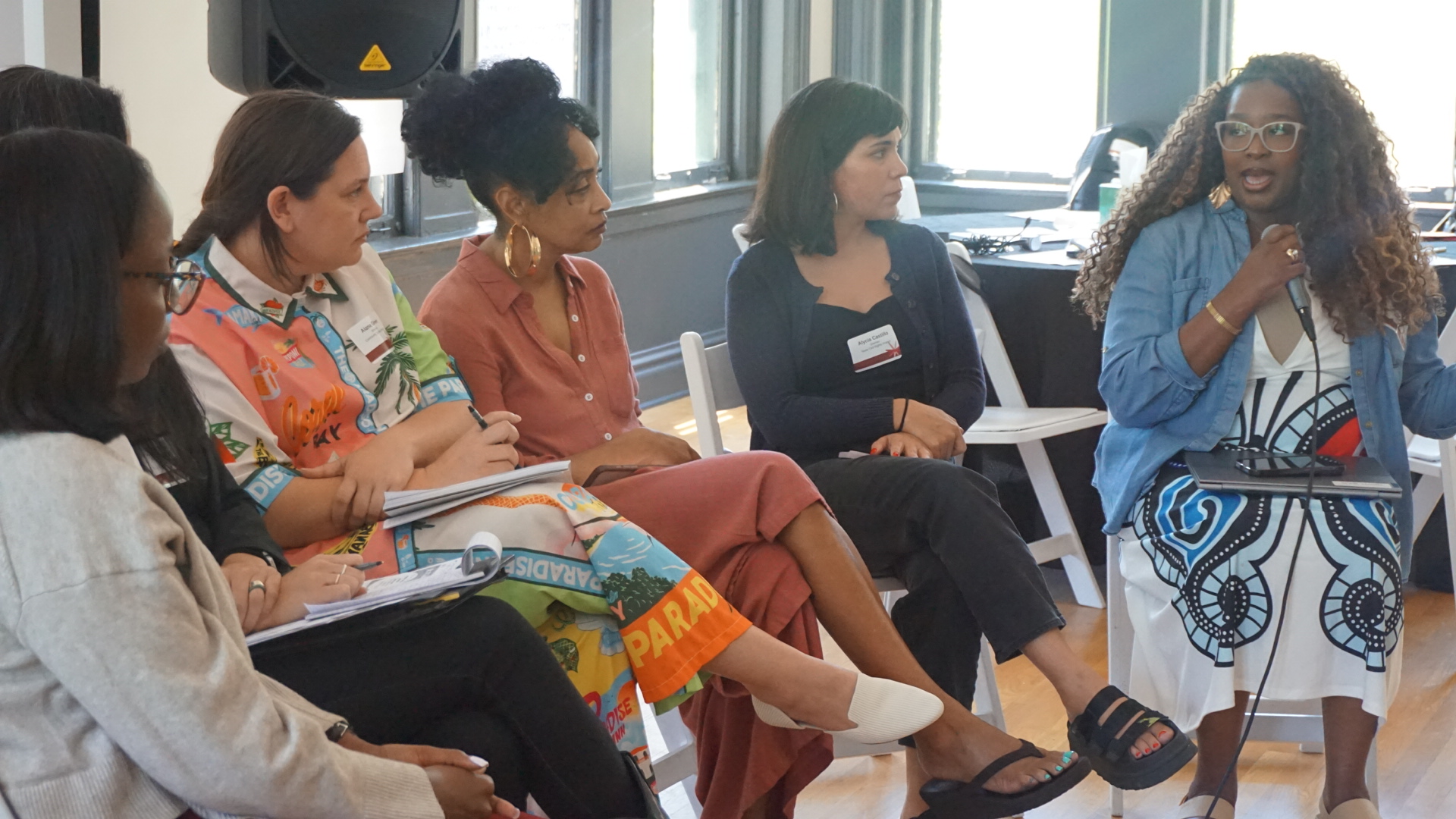
More than 30 activists, advocates, litigators, and movement leaders from across the U.S. gathered in Chicago for this year’s Protect Dissent Network (PDN) strategic gathering to strengthen relationships, exchange strategies, and prepare for an increasingly coordinated effort to criminalize protest and dissent.
The escalated crackdown on exercising of this First Amendment right is especially pronounced in Southern states, which have served as a testing ground for some of the most appalling attacks on voting rights, immigration, and other issues. Across every conversation, one message emerged with striking clarity: the threats unfolding in Southern states are not isolated and are warning signs of what movements across the country may soon face.
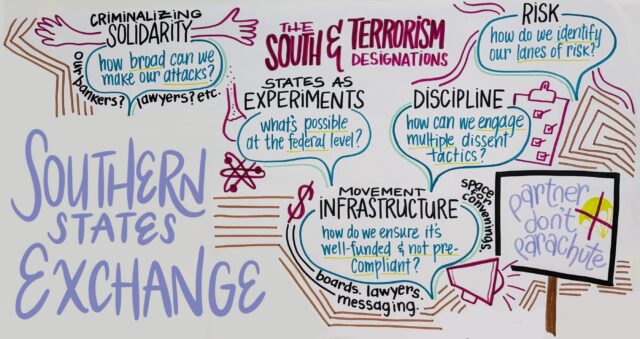
That reality came into sharp focus during an exchange among PDN member organizations from Southern States on the use of terrorism designation laws to suppress organizations and activists engaged in protest, and the chilling effect these measures have on freedom of association and participation in civic life. The discussion began with two laws that have passed this year in Florida, which grant the state’s government power to designate groups as “domestic terrorist organizations” — including groups not based in Florida.
“The biggest question we are asking ourselves is: What does it look like to organize under these conditions and amid the fear being stoked? Having a targeted group put out a call to action can be prosecuted as a crime [in Florida]. We need to rethink the structures, processes, and steps we are taking as non-profit organizations and empower broader sets of everyday people to take up the mantle. We need to help develop leaders and build community around speaking out, going to a protest, and taking action when these attempts to silence dissent happen. The fight is still on in Florida and will not stop!”
– Alana Greer, Community Justice Project, Inc.
Organizers and advocates also shared firsthand experiences navigating legislation—and other government actions—that seek to criminalize the work of Black and Brown communities under the guise of public safety, while suppressing the fundamental freedoms of association and peaceful assembly.
“In Alabama, we don’t hear as much about domestic terrorism as a framework, but we are seeing similar rhetoric emerge in other ways. Some politicians have used language suggesting there is a ‘war on white people,’ drawing on a similar narrative to justify increased scrutiny and targeting. They have also elevated this framing by involving state-level officials, including the Attorney General.”
– Camille Bennett, Project Say Something
While the discussion examined recent developments in Florida, participants emphasized that these approaches are already influencing policy across the South such as Texas, Mississippi, North Carolina, Georgia, and Alabama.
“In 2025, we faced SB 17 during the legislative session, and we’ll likely be facing the same bill again. SB 17 concerned restrictions on the purchase of property in Texas. TCRP helped stop the bill by working closely with legislators to identify allies, build support, and strengthen relationships across the legislature.”
– Alycia Castillo, Texas Civil Rights Project“Relationships with policymakers have to be built before a crisis happens. That requires consistent engagement, not just reaching out when a bill is moving. We need to better document and share strategies for staying engaged with legislators, maintaining relationships, and building the long-term infrastructure needed for effective advocacy.”
– Beatrice Beaubrun, North Carolina for the People
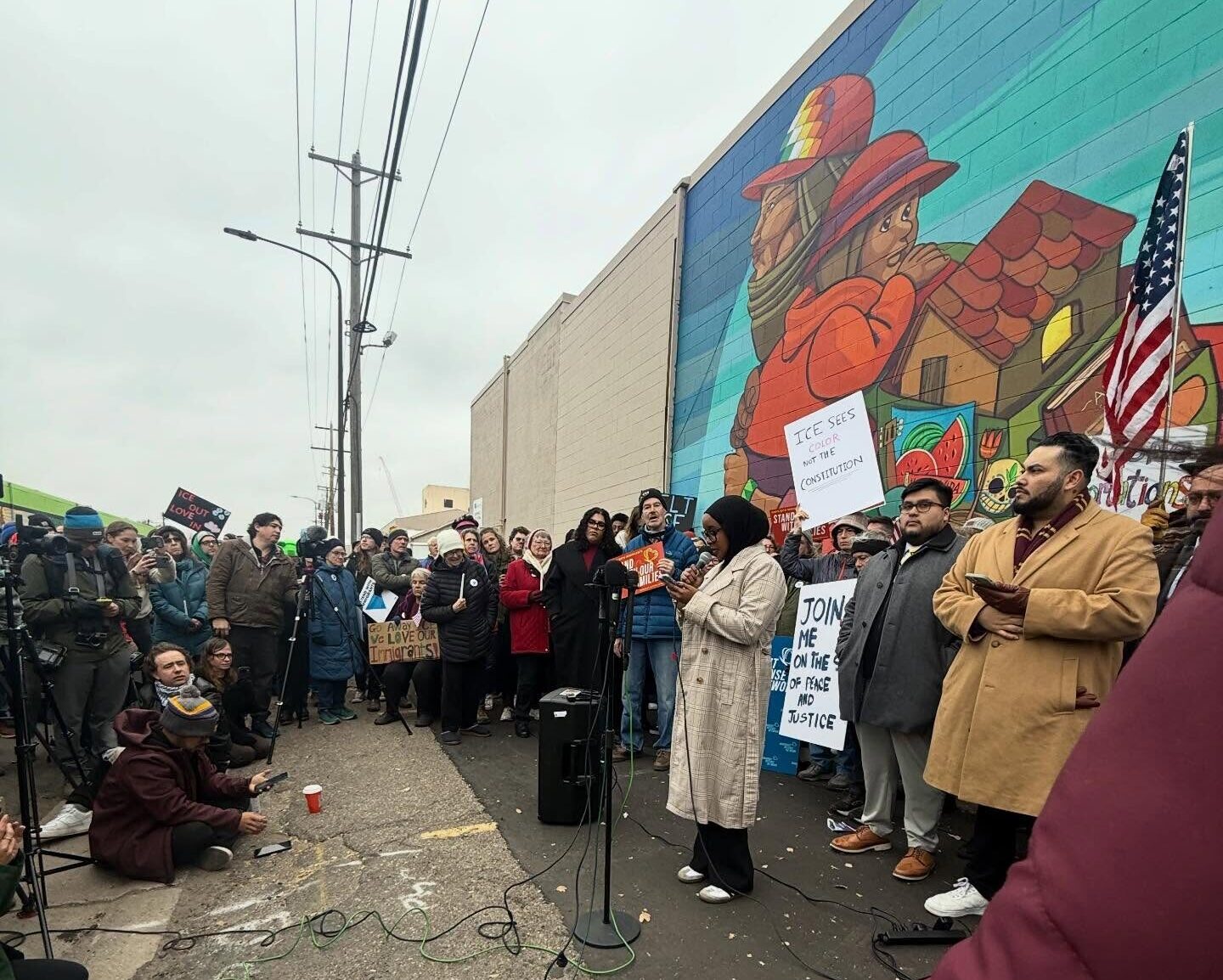
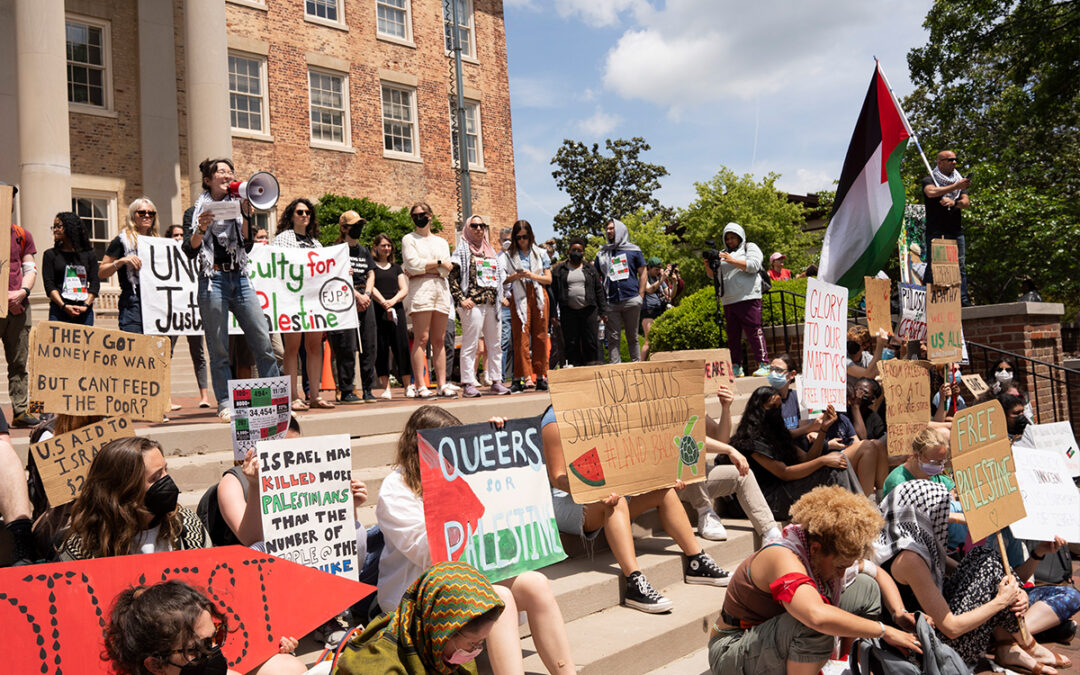
Participants underscored that the greatest danger is not only the potential for criminal charges, but the broader impacts on civic space and impact on the work of civil society. When organizers, students, advocates, and community members begin asking whether attending a protest, providing legal support, joining a coalition, or speaking publicly could expose them to investigation or liability, repression is already having its intended impact.
“We should invest in communications infrastructure so we can stay as safe as possible while coalition-building itself is under attack. We should build a nationwide logistics network that can be used in real time. We should shift the burden of risk away from the most vulnerable organizations and individuals and onto the most robust ones during this era of targeting on the basis of identity and message.”
– Paloma Wu, Mississippi Center for Justice
Participants identified key areas where additional investment, infrastructure, and coordination are needed to strengthen Southern organizations’ ability to navigate increasing political, legal, and movement challenges while continuing to advance their work, such as:
“We need to recruit strong board members who can help raise funds, leverage their networks, provide protective solidarity, and stand with organizations as they navigate increasing political and legal threats.”
– Tiffany Williams Roberts, Southern Center for Human Rights
Perhaps the convening’s most important reminder was that solidarity remains our collective strength. Bringing together organizers and advocates from different regions creates opportunities to share lessons before crises spread, build trust across movements, and develop the collective capacity needed to respond when attacks on protest and dissent emerge.