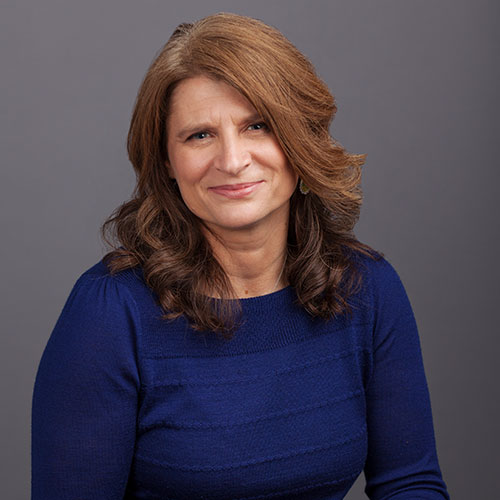

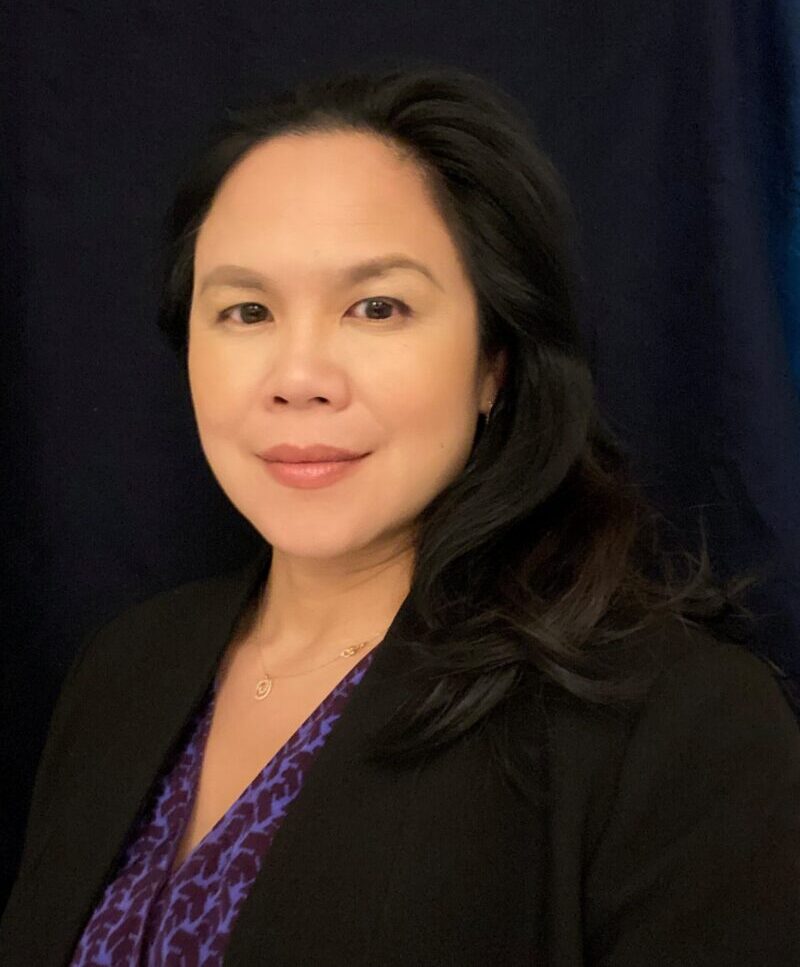
Founded by the late Gloria Steinhem, Ms. Foundation for Women is the first and oldest national public women’s foundation in the country. Chief of Programs Ellen Liu, who oversees the foundation’s grantmaking and capacity-building programming, shares why the foundation has been a longtime donor partner of RFDC.
For many, many years, we had been seeing similar attacks on queer communities and reproductive justice. Ms. Foundation for Women is a feminist funder, and we see the interconnectedness and intersectionality of these issues and the need for cross-movement building. So, early on, we wanted to support the efforts of creating some kind of collaborative fund that was much more intentional in helping to drive that intersection of gender justice, reproductive justice, queer liberation, racial justice, and faith, because time and time again, it was that mix where we in the reproductive justice movement were seeing some of the most challenging attacks and wedge issues.
At the core, Ms. Foundation funds reproductive freedom and bodily autonomy, and so, we just saw this link and need. I also saw our grantees really struggle with not having enough support on faith organizing and religion that the other side used to divide and conquer. It’s extremely valuable to have an entity, a collaborative fund, very specifically and intentionally addressing those intersections of faith organizing, queer liberation, gender justice, racial justice, because at times, as a multi-issue, multi-entity, multi-strategy funder, it can get lost.
Having entities like RFDC that really focus on those intersections is so important in the field of philanthropy and the ecosystem of philanthropy. It helps to lift up and amplify this work with others who see the importance of these issues, whether it’s a major donor, an institution, or a foundation.
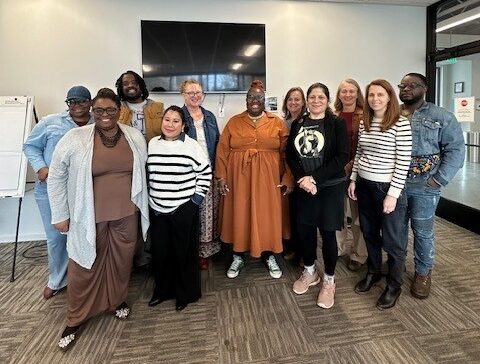
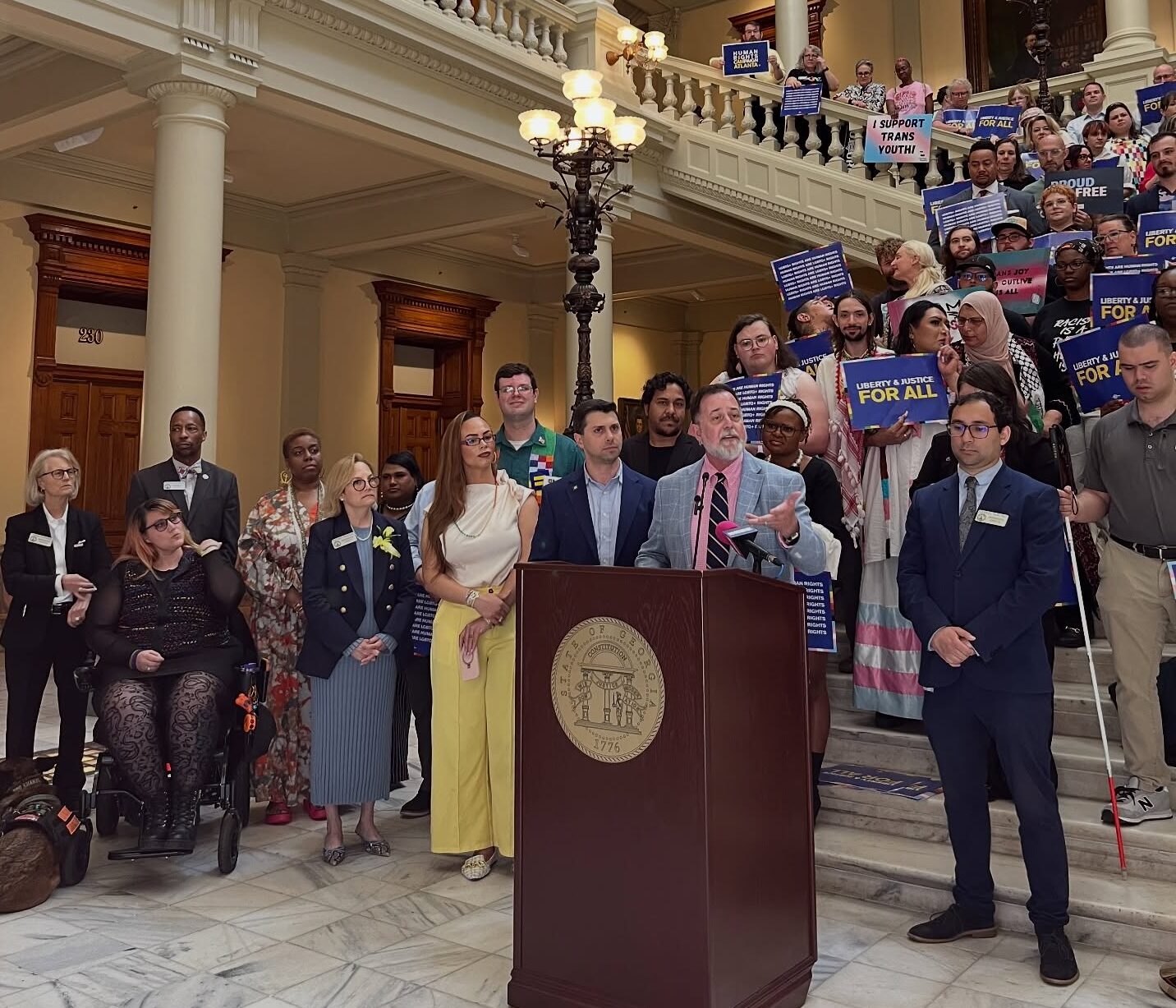
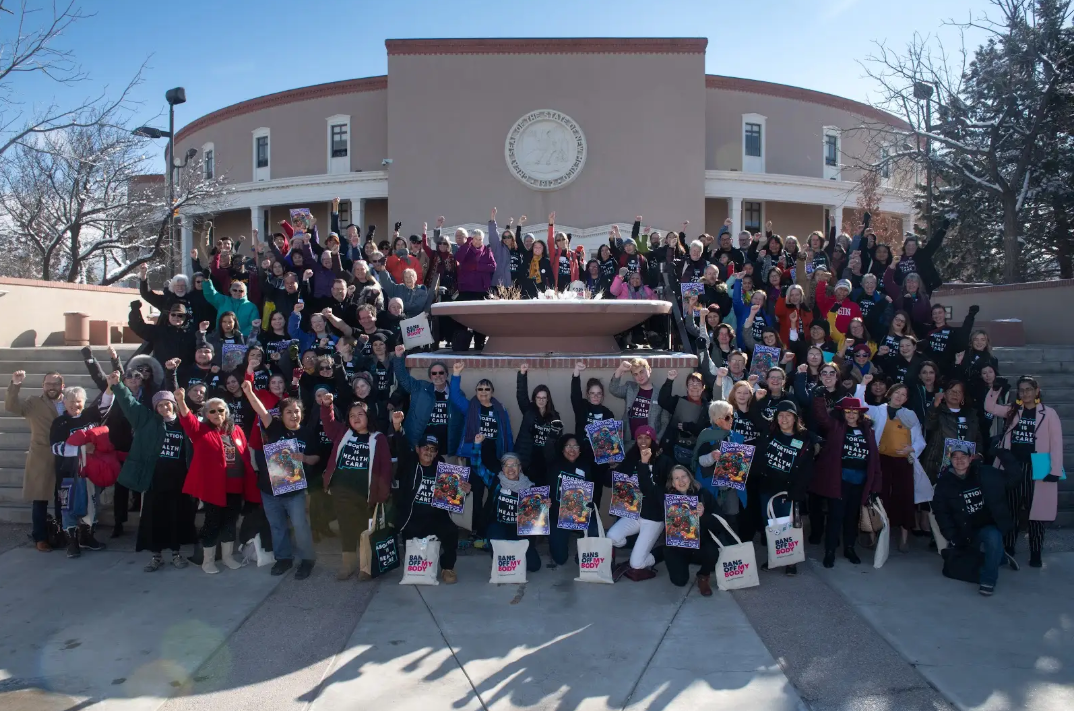
The infrastructure that Proteus Fund and RFDC provides is so instrumental. The model of state cohorts is really important, especially going deep in some of the states that we are funding in – New Mexico, Georgia, Minnesota, more recently North Carolina – to create cohorts supported with RFDC’s resources. RFDC creates this container for relationship building. Convening and supporting these strong coalitions is often an invisible strategy, but as a funder supporting feminist movement building for five decades now, we know that is the bread and butter of how we get to lasting, durable change.
The most recent iteration that I have found fascinating and want to learn from as well and continue to support is the narrative change work. I think it’s meeting such a critical need in terms of the areas that have been challenging. Just in the midterms we saw with ballot initiatives which were passed that will be really detrimental to trans communities, even in states where progressive state legislators and senate candidates won, that contradiction shows there is a need for narrative strategy and change. So, having this more recent faith narrative initiative is really key, and not just for that cohort. It will have a catalytic effect in terms of how that messaging can support other organizations that are doing this work in states.
It’s been such a benefit to learn from RFDC’s work and in-depth expertise and be able to take lessons back to our grantmaking with our program team. Also, it’s the community building with other funders, from the actual in-person convenings to the virtual briefings.
I hope that RFDC can expand. I think the work is so necessary, and it’s great to see it expand to an additional fourth state. I hope that in the next five years, we can expand to 10 states to really grow the work.