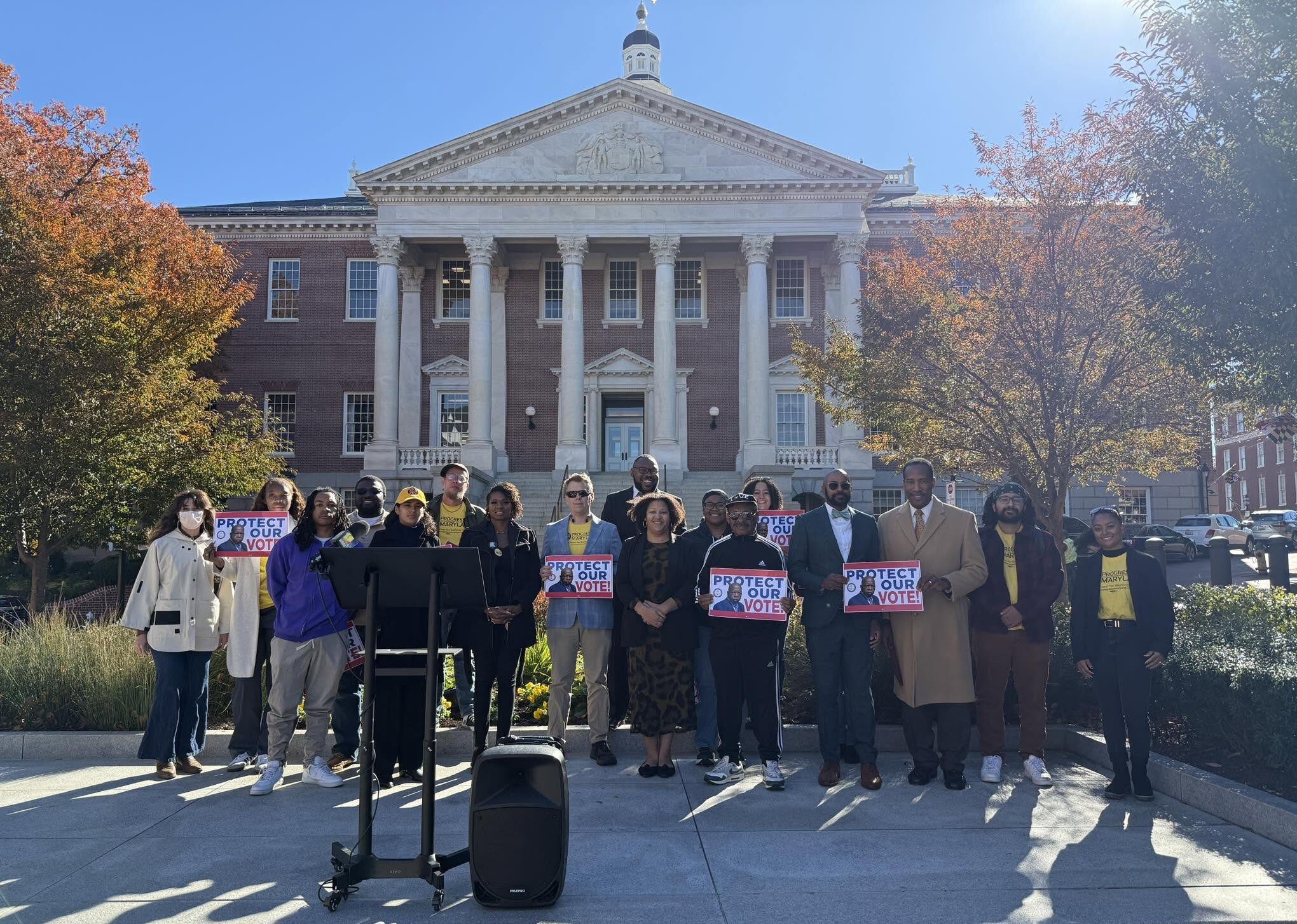

The WhyNot Initiative was a founding donor partner of Piper Fund. The social change grantmaking initiative, a program of the Leonard and Sophie Davis Fund led by their son, Alan Davis, focuses on two major areas – democracy and economic justice. Larry Ottinger, a senior advisor to Alan Davis and the WhyNot Initiative, shares why it has continued to support Piper Fund’s work for more than 15 years.
Meg Gage founded the Proteus Fund while executive director of my family’s foundation, the Ottinger Foundation, which gave the first seed grant to launch both the Piper Fund and the State Strategies Fund, which supported progressive, multi-issue tables in the states. Both Alan and I were inspired by Meg’s vision for creating these pooled funds housed at Proteus and bringing individual and institutional funders together working to strengthen democracy. Funders are too siloed, and Piper Fund helps to break down some of those silos and grow the work together. I think Piper should have many more donors, and I have highlighted its work to address the harms of extreme wealth in politics.
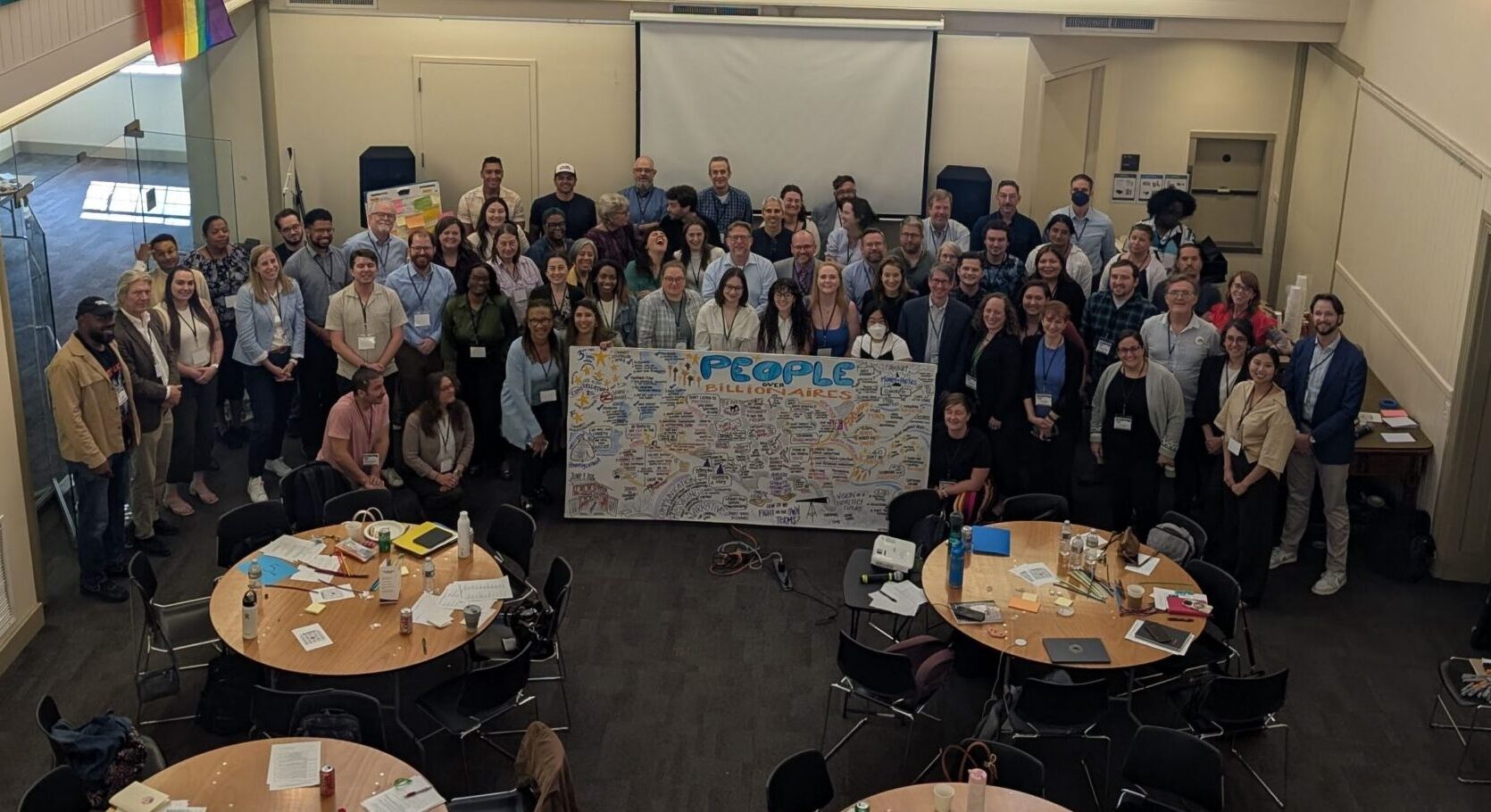
We’re at a defining moment. The public is becoming more aware of the amount of wealth that’s being converted into political and economic power and how that harms ordinary people and communities, as well as the environment, and undermines democracy and the rule of law. It’s almost a matter of survival at this point, but philanthropy hasn’t caught up to where we are – which is part of the reason I wrote that piece. I really value Piper Fund for both keeping its focus on money in politics and broadening its connection to related efforts and an overarching frame of the people versus billionaires.
The connection of money in politics with other issues is important. Money in politics is not a term that connects necessarily with people in communities. It sounds too elite and academic. It’s really about how this connects to people’s lives. The Money in Politics Reform program has been very engaged in local efforts, like Seattle’s democracy vouchers program and other places of doing similar public financing efforts around elections. And more and more now it is connecting the local and state work to national efforts and organizations.
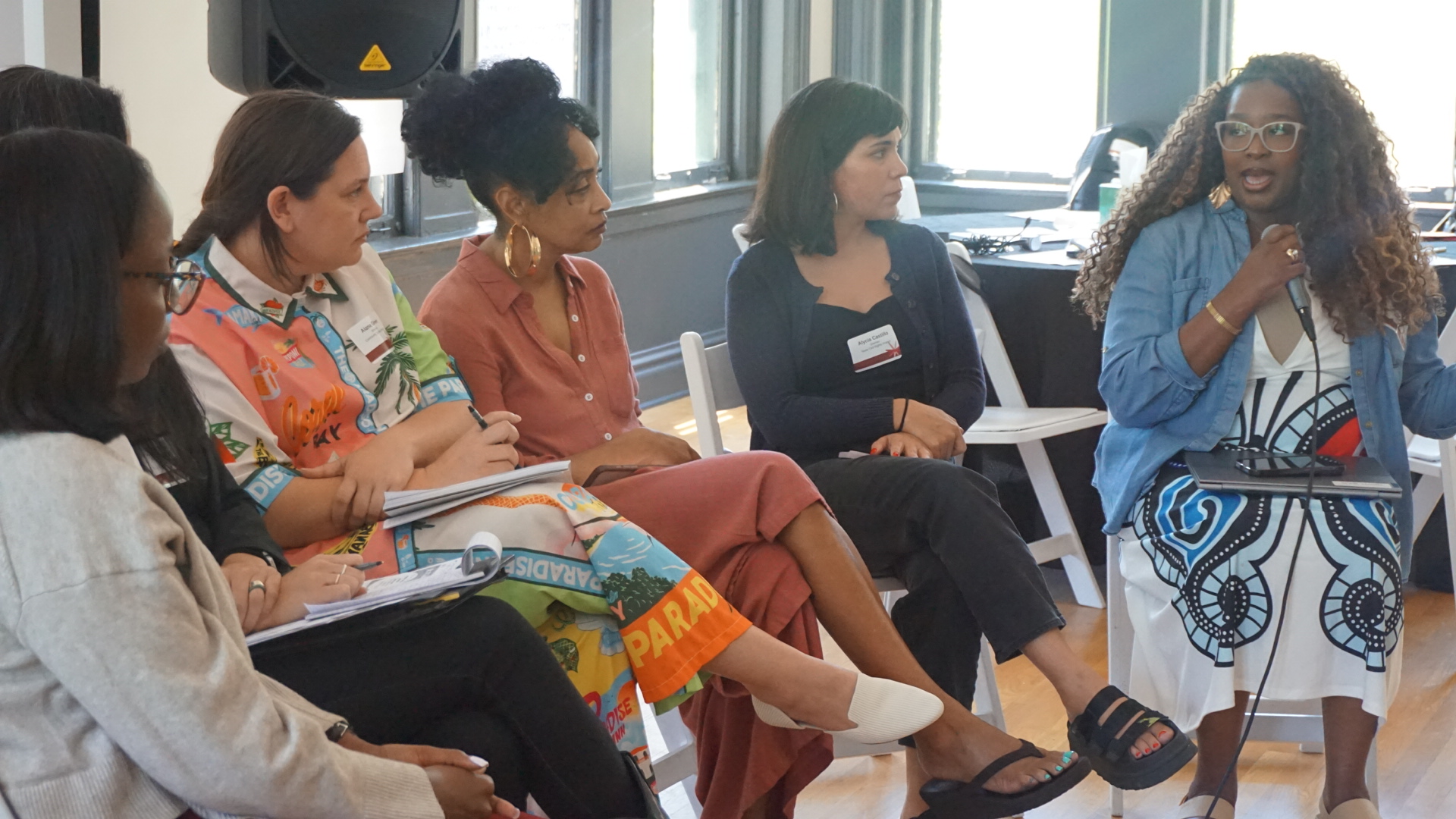
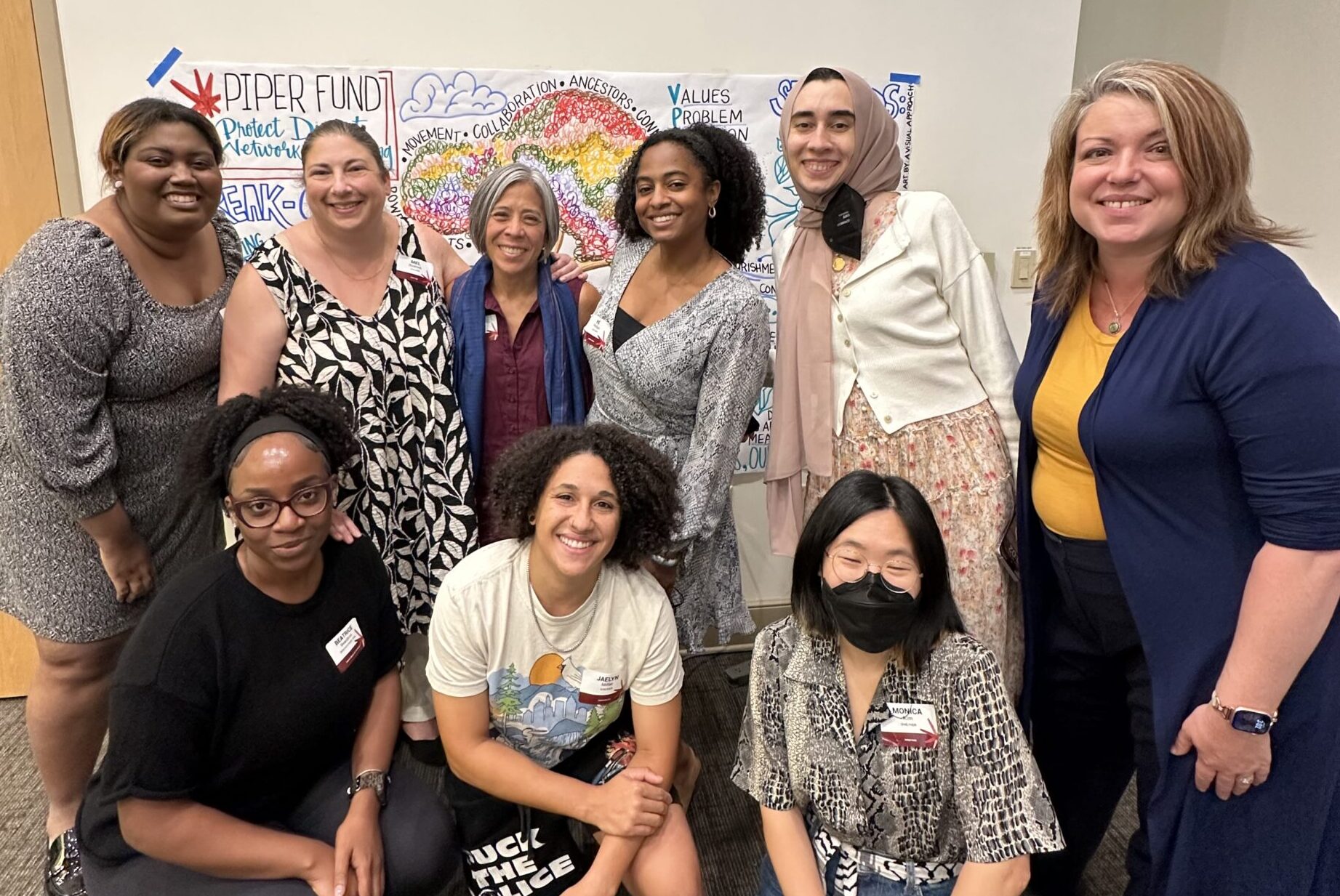
Piper holds space for activists, organizers, and advocates in states to come together with donors, identify the biggest challenges, and talk about different solutions. The gathering that the Money in Politics Reform program recently hosted around the Netroots Nation conference in Philadelphia is an example of how Piper brings practitioners and donors together. We need this convening and strategizing support, because we can’t do it alone. We need to be in connection with each other.
It helps in terms of our connection with other donors and our strategy. It informs how we determine ‘what our piece is in this work?’ I feel like Proteus and Piper are family. I look at our responsibility as not just giving money, but we need to be organizing with donor colleagues. We’re not only partners, we are a part of Piper. We’re dealing with an existential authoritarian threat harming people and communities; we rise and we meet the challenge together or we don’t.